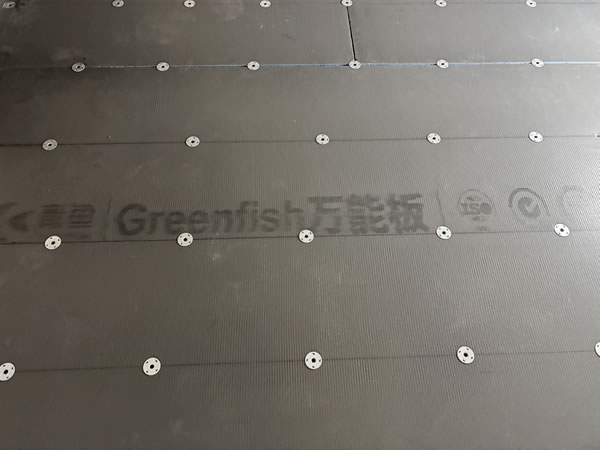
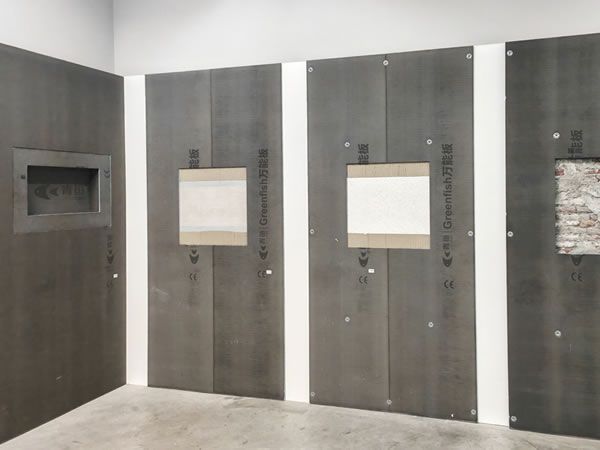
- How to ensure the quality of decoration with waterproof backing board
- Qingyu waterproof backing board is exported to the Middle East: technological empowerment and cultural adaptation drive a new paradigm of Chinese building materials overseas
- True crystal plate: the "new star" in the material world appears
- Qingyu HD-XPS: The "pressure-resistant and energy-saving double shield" of the cold storage floor solves the problem of low temperature and heavy load
- Going one step further than "better insulation": antibacterial real crystal panels, redefining energy saving and health
- The first step in building a self-built house is to choose Herring 10cm antibacterial real crystal board for base layer insulation, moisture proof and antibacterial
E-mail:greenfishcn@163.com
Phone:13370076925
TEL:0086-400-167-9158
Address:702, No. 285 Rongxing Road, Shanghai, China
Waterproof Backer Board is a building material commonly used in humid environm
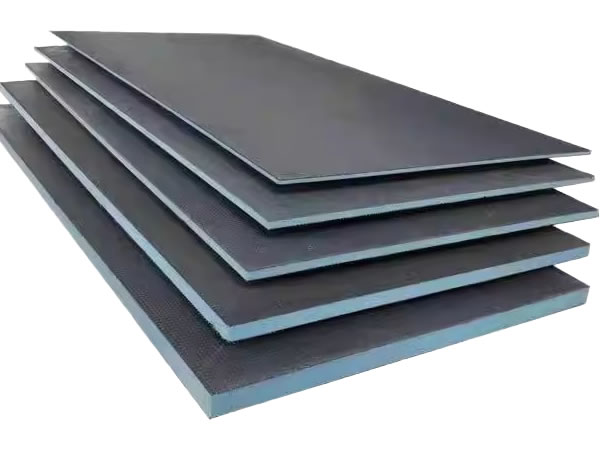
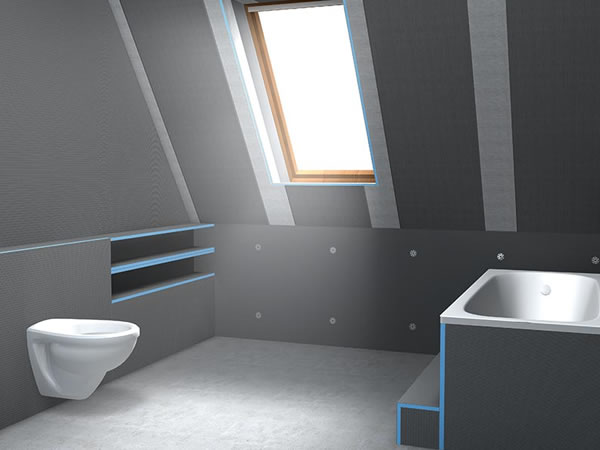
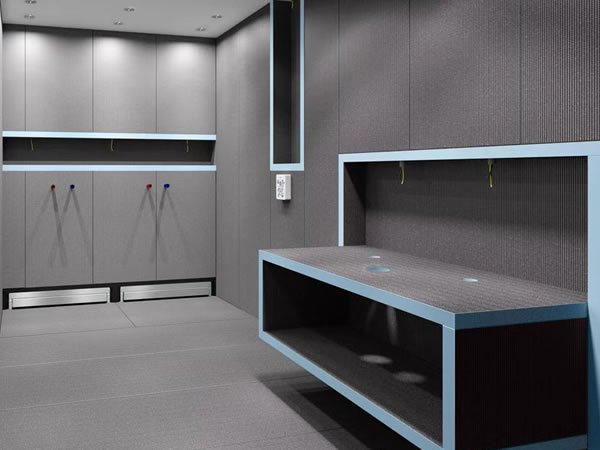
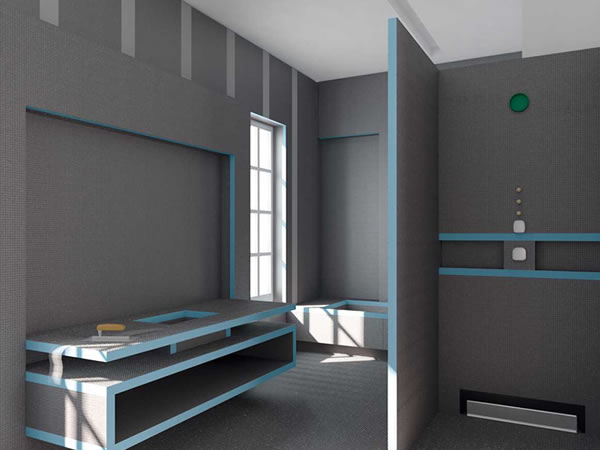
Waterproof Backer Board is a building material commonly used in humid environments (such as bathrooms, kitchens, balcony, etc.). It is mainly used for waterproof reinforcement of walls or floors, providing a stable and moisture-proof base layer for decorative materials such as ceramic tile and stone. Here is a detailed introduction to the waterproof backer board:
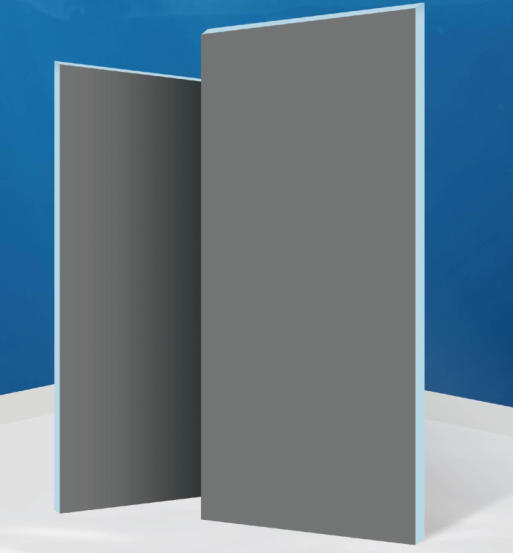
1. Common Types
Cement-based backer board (such as Durock, WonderBoard)
Ingredients: Cement, fiber reinforced materials (such as fiberglass).
Features: High strength, moisture-proof, mold-resistant, suitable for tiling.
Gypsum-based backer board (such as CertainTeed GlasRocker)
Ingredients: Waterproof gypsum core + fiberglass surface layer.
Features: Lightweight and easy to cut, but long-term soaking in water may be affected.
Foam-based backer board (such as Schluter KerdiBoard)
Ingredients: Extruded polystyrene (XPS) foam + waterproof film.
Features: Light weight, good heat insulation, suitable for complex shapes.
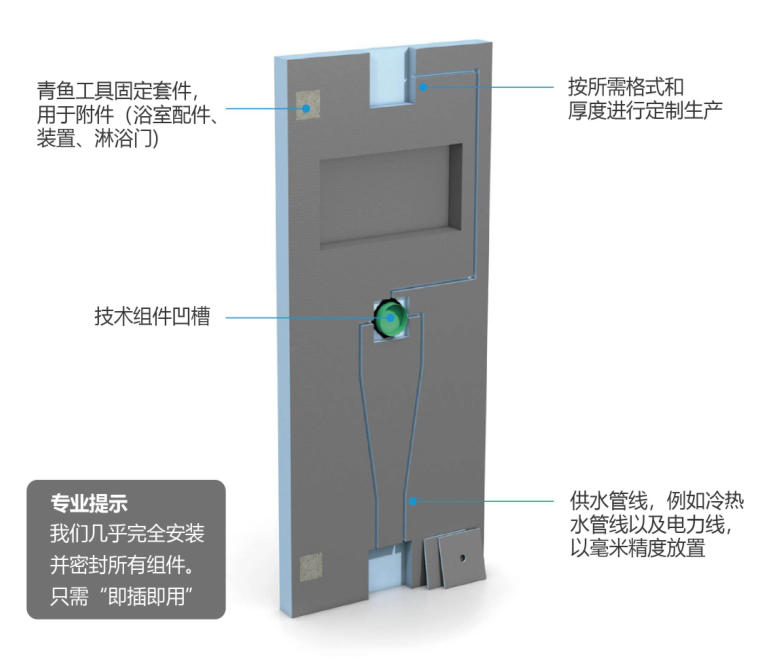
2. Core functions
Waterproof and moisture-proof: blocks moisture penetration and prevents moisture from decaying the base layer (such as wooden structures and gypsum board).
Enhanced stability: Provides a strong base layer for ceramic tiles to reduce the risk of hollowing or cracking.
Anti-mold: It is not easy to breed mold in humid environments and maintains hygiene.
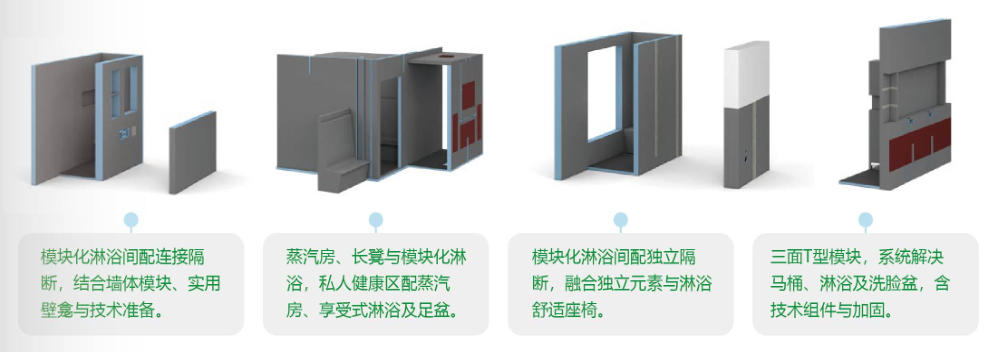
3. Applicable scenarios
Wet area wall/floor: bathroom shower room, bathtub, kitchen stove backsplash.
Floor heating base: Some backer boards are compatible with floor heating systems (high temperature resistant model is required).
Outdoor area: balcony, terrace (you need to choose products with strong weather resistance).
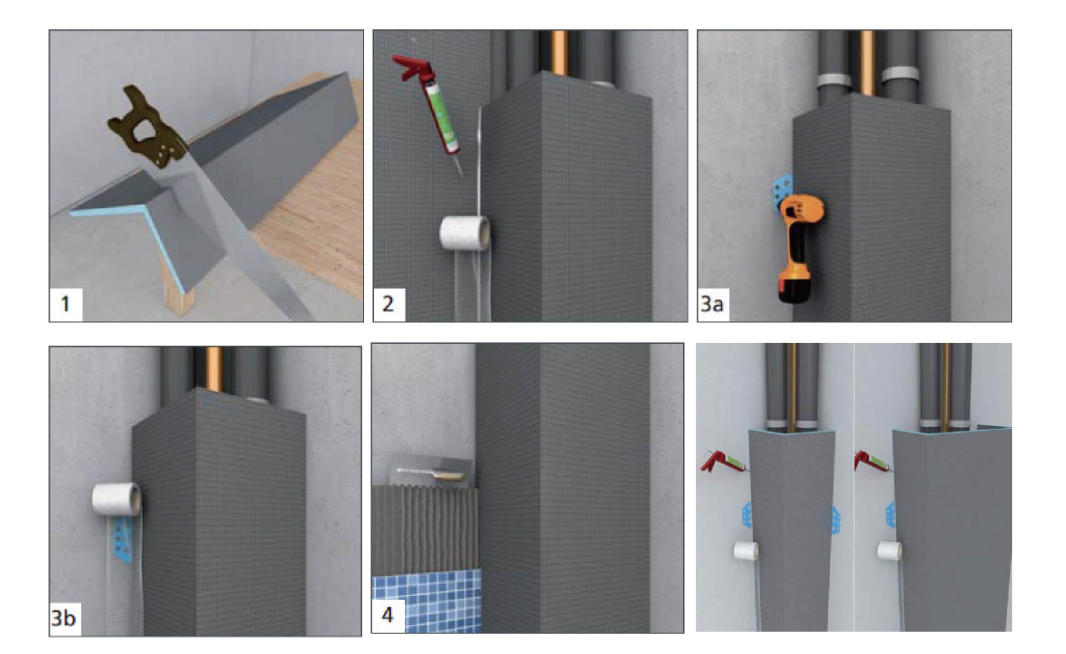
4. Installation points
Base layer treatment: Ensure that the base layer is flat, dry and oil-free.
Seam treatment: The seam needs to be covered with waterproof tape (such as alkaline fiber tape) and waterproof sealant.
Fixing method: Use stainless steel screws or special adhesive to fix it to avoid rust of ordinary iron nails.
Matching with waterproof film: Applying a liquid waterproof film (such as RedGard) to the surface of the backer board can further improve waterproofness.
5. Things to note
Cutting protection: Dust may occur during cutting, and it is recommended to wear a mask and goggles.
Expansion seams: Leave a 23mm gap between the plates to adapt to thermal expansion and contraction.
Compatibility: Confirm the compatibility of the backer board with the selected tile glue/slurry (such as foam-based backer boards requiring modified adhesive).
- Previous:No time
- Next:Universal backer board