- The century-old development of HVAC floor heating insulation materials traces back to its origins
- Who is the cost-effective king of insulation boards?
- How to ensure the quality of decoration with waterproof backing board
- Qingyu waterproof backing board is exported to the Middle East: technological empowerment and cultural adaptation drive a new paradigm of Chinese building materials overseas
- True crystal plate: the "new star" in the material world appears
- Qingyu HD-XPS: The "pressure-resistant and energy-saving double shield" of the cold storage floor solves the problem of low temperature and heavy load
E-mail:greenfishcn@163.com
Phone:13370076925
TEL:0086-400-167-9158
Address:702, No. 285 Rongxing Road, Shanghai, China
The century-old development of HVAC floor heating insulation materials traces back to its origins
When it comes to floor heating, people who have done home decoration may have a certain understanding. Floor heating is loved by the elderly and children for its "comfort and health". Floor heating will also be considered as one of the projects to be installed when decorating a new house. How much do you know about the history of floor heating? As early as 1300 BC, the prototype of floor radiant heating appeared in the palaces of the Turkish royal family. In 60 BC, during the ancient Roman Empire, low-temperature radiant heating in the form of "fire floor heating" had appeared in major noble residences. The history of floor heating in China can be traced back to the late Ming Dynasty. At that time, floor heating was a heating method that could only be owned by the royal family, such as the existing Forbidden City in China. There are built flues under the blue brick floor of the palace and equipped with smoke windows. Fire walls and fire pits also appeared in rural areas of northern China as low-temperature radiation heating on the ground, and they are still used in some areas today.
In today's life, traditional water floor heating has been continuously improved and perfected from the introduction, and the increasingly mature floor heating system has gradually become popular in China and has become a must-have top heating method for families. Now let’s explore the deeper aspects of the floor heating system—the evolutionary history of floor heating insulation materials.
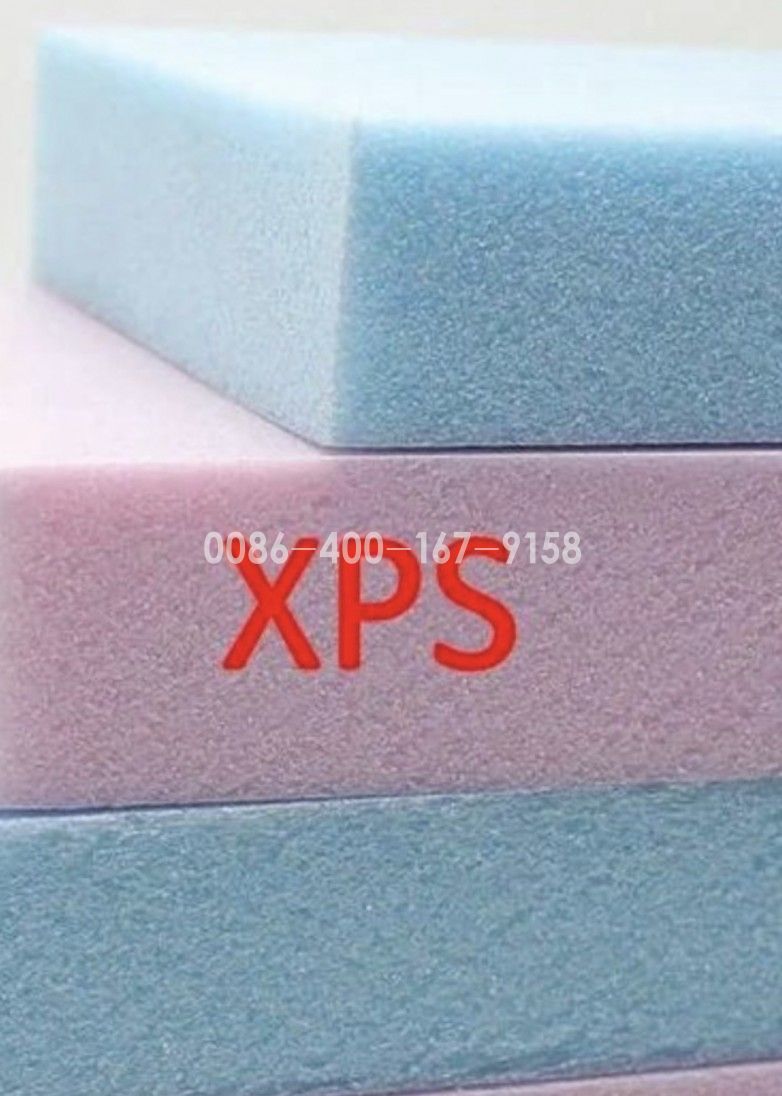
When it comes to floor heating insulation materials, EPS foam boards cannot be avoided.
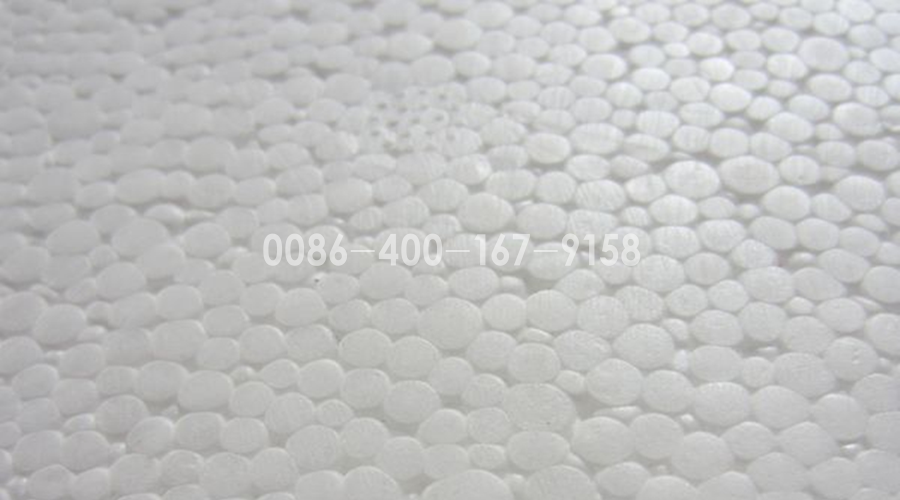
EPS foam board is a thermoplastic material. Its production process requires volatile polystyrene particles to be produced through several steps such as high-temperature water vapor pre-evolution, curing, molding, aging, and cutting. Compared with other thermal insulation materials at that time, EPS had good comprehensive properties, so it was widely used in the construction field for exterior wall insulation, interior wall insulation and floor heating insulation projects.
However, during the aging process of EPS, the internal water vapor accumulated during foaming will be released. The longer the aging time, the greater the density loss and the smaller the compressive strength. This leads to the risk of ground subsidence in floor heating using EPS insulation boards. With the development of the insulation industry, some better and excellent insulation materials have appeared, making EPS slowly disappear from the queue of floor heating insulation materials.
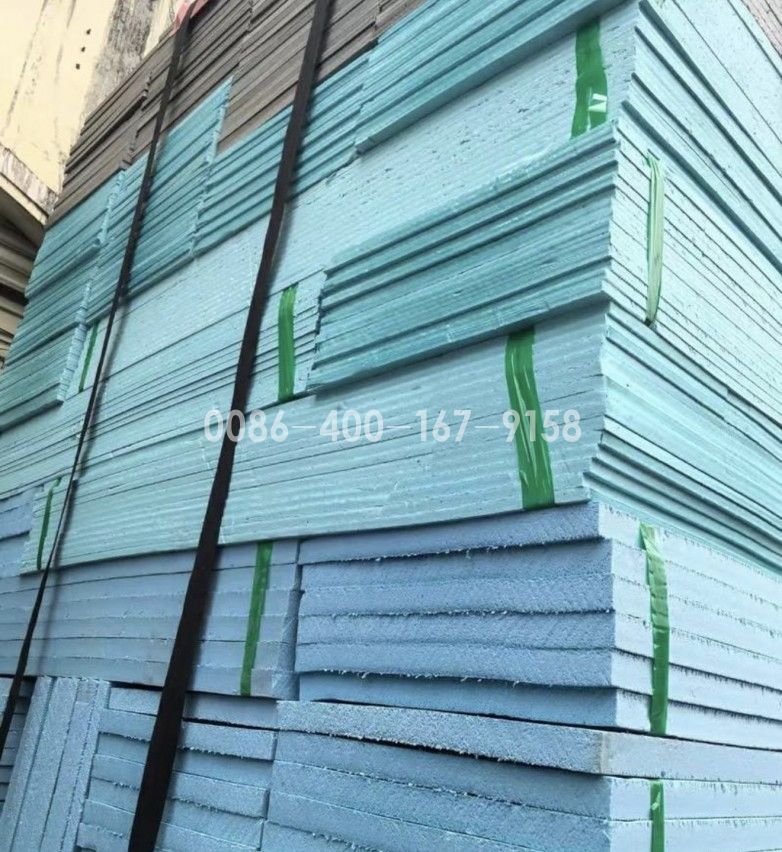
Today’s mainstream floor heating insulation material—XPS extruded board
Extruded polystyrene XPS is a closed-cell organic insulation material that is mixed and melted with polystyrene particles and additives, mixed with a foaming agent, and extruded directly at the mold. During the XPS manufacturing process, polystyrene particles rise from room temperature to 200 degrees Celsius, and the particles change from solid to liquid. After adding additives, they are mixed and advanced in the screw. When extruding at the mold, the pressure is directly reduced from the original 10MPA to the standard indoor air pressure. The polystyrene solution converts from liquid to solid again, and the high-pressure liquid foaming agent changes to gaseous state, thereby creating a honeycomb closed-cell structure inside the board to achieve excellent thermal insulation effect.
Compared with EPS foam boards, XPS extruded boards have obvious advantages in thermal conductivity, compressive strength, water absorption and environmental protection, and their applicability for floor heating insulation is far superior to EPS foam boards. However, the plasticity of XPS extruded boards is too poor and cannot be produced in various shapes like EPS. Secondly, the price is much higher than that of EPS. This is why XPS cannot completely replace EPS as insulation material.
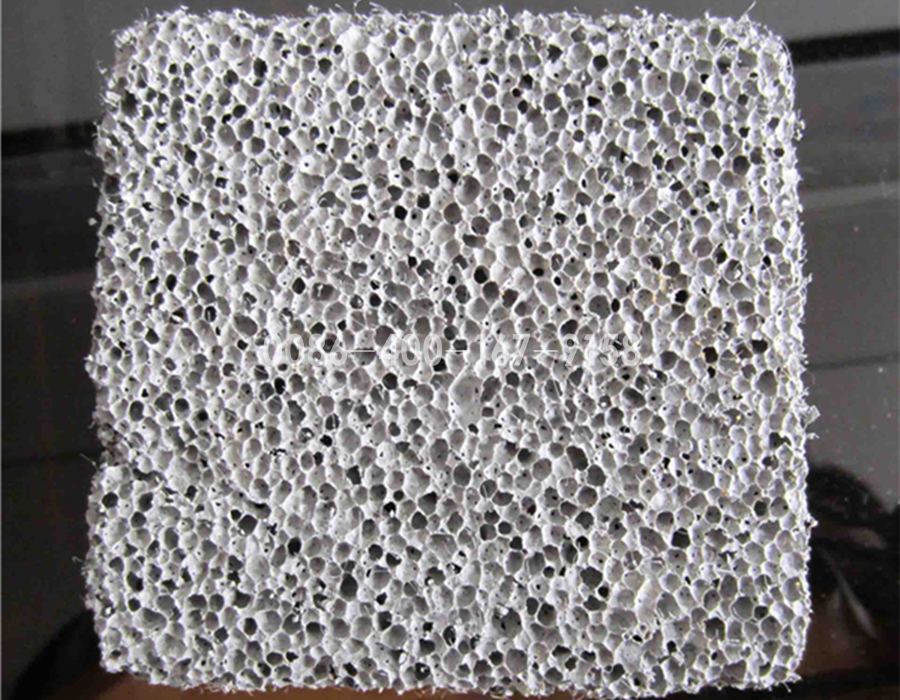
The “alternative insulation board” that must be mentioned—foamed cement
The form of foamed cement insulation board is different from EPS and XPS insulation board. It is an insulation material that is made of fully foamed foam and concrete mixed in a certain proportion and constructed and poured on site. Compared with the previous EPS and XPS, foamed cement has excellent compressive strength and fire resistance, and the thermal insulation effect is much higher than that of ordinary concrete.
However, the thermal insulation effect and water absorption of foamed cement are far inferior to EPS and XPS. Therefore, its comprehensive performance determines that it cannot replace XPS as the mainstream floor heating insulation material.
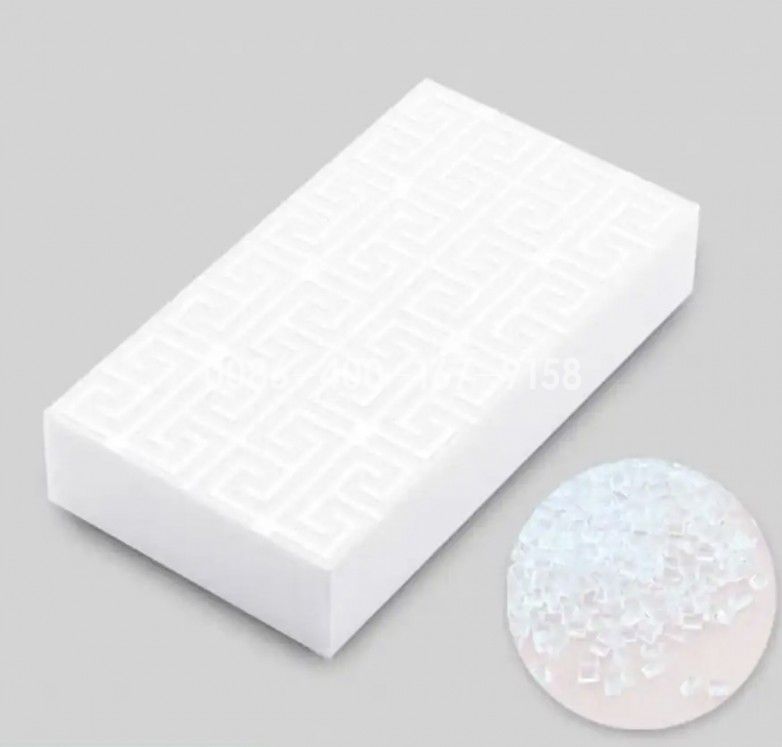
The leader in the new generation of floor heating insulation materials - white crystal floor heating insulation board
As an excellent thermal insulation material, XPS extruded board occupies the absolute mainstream of the floor heating insulation industry. However, with the development of science and people's continuous improvement in quality of life requirements, there is an XPS insulation board that surpasses all aspects in thermal insulation effect, compressive strength, water absorption and environmental performance. This is the white crystal floor heating board.
White crystal board is actually a kind of extruded board. Different from conventional XPS extruded board, the raw material of white crystal board is higher quality crystal raw material, and the production process does not have any auxiliaries or additives. If the thermal insulation effect, compressive strength and other factors of the white crystal board are only slightly higher than those of conventional extruded boards, then the environmental protection of the white crystal board is absolutely crushable.
It is precisely because floor heating has strict requirements on environmental protection that the excellent product of white crystal floor heating panels was born.
Antibacterial real crystal board - technology capped, functional upgrade, the ultimate solution for long-term health
After 2020, healthy homes, passive buildings, and long-term energy conservation have become the mainstream of industry development. Consumers' requirements for concealed floor heating projects have been upgraded from "insulation and environmental protection" to "lifelong stability, health and sterility." The performance bottleneck of Shanghai Qingyu Energy Saving Technology Co., Ltd. in white crystal floor heating panels has become increasingly prominent. The official launch of Qingyu antibacterial true crystal panels represents the technological pinnacle of the current XPS extruded boards for floor heating, completing the ultimate iteration of the industry.
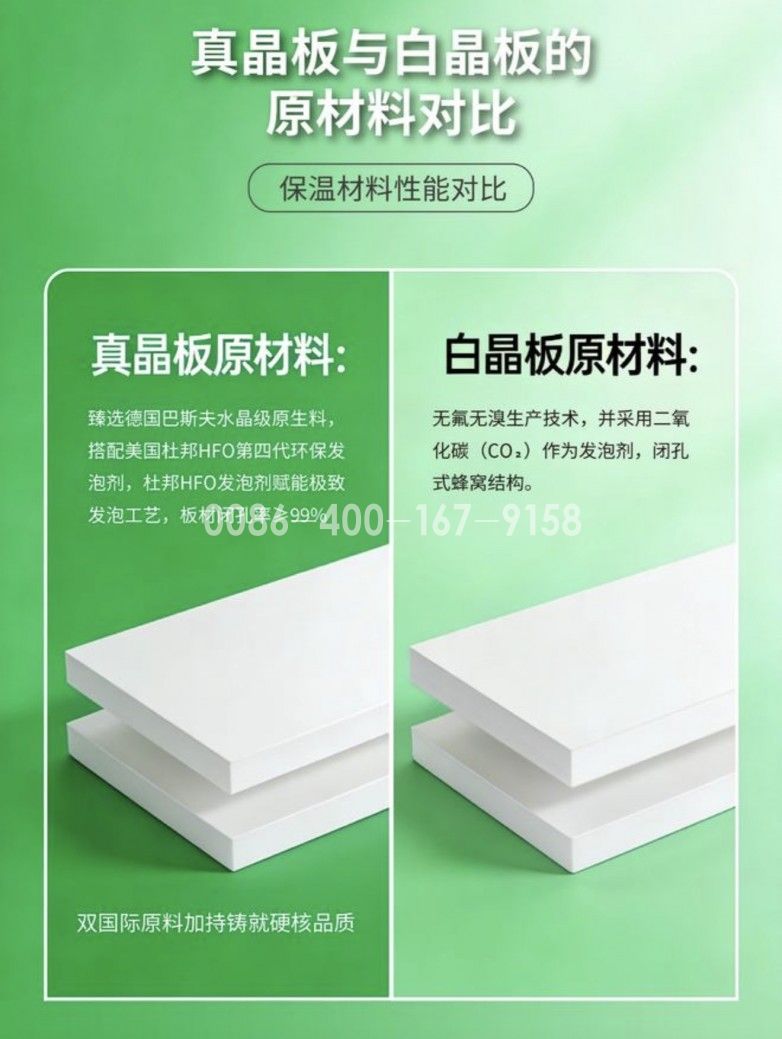
On the basis of fully retaining the advantages of 100% pure raw materials, environmental protection, no additives, and high strength and compression resistance of white crystal floor heating panels, antibacterial true crystal panels have achieved disruptive upgrades in three dimensions: foaming technology, structural stability, and health functions, completely solving the industry problems of traditional extruded panels' long-term performance degradation and the breeding of bacteria and mold in humid environments.
In terms of foaming technology, the antibacterial true crystal board has been fully upgraded to the fourth generation HFO environmentally friendly and stable foaming process, replacing the traditional CO₂ foaming agent. The foaming agent has a larger molecular size, a more stable chemical structure, and is closely integrated with the polystyrene base material to completely eliminate foaming. The problem of long-term agent escape is eliminated. The board will not shrink, deform, or increase in thermal conductivity after decades of use. The thermal insulation performance is stable throughout life and does not decay. The thermal conductivity can be stably as low as 0.028W/(m·K), and the thermal insulation efficiency reaches a new high.
In terms of functional innovation, the antibacterial true crystal board evenly implants long-lasting slow-release silver ion antibacterial factors in the board base material. It adopts an integrated molding process of the base material instead of surface coating attachment. It will not fail due to construction wear and long-term use. It has been tested by authoritative organizations and is resistant to common pathogenic bacteria such as Staphylococcus aureus, Escherichia coli, and mold. The bacterial rate is as high as 99.99%, which can inhibit the reproduction of bacteria and mold from the source of the floor heating insulation layer, and eliminate the odor and mildew problems caused by moisture return. It is especially suitable for high-humidity areas in the south, low-floor residences, and families with elderly and children. It has realized the leap from "environmentally friendly and harmless" to "active and healthy" insulation materials.
At the same time, the obturator rate of antibacterial true crystal panels has been further increased to 99%, the water absorption rate is controlled within 1%, the compressive strength can reach more than 500KPa, and the dimensional stability and anti-aging performance far exceed industry standards, truly achieving the same life cycle as the building, without the need for later replacement and maintenance.
Demand-driven technology, the industry moves toward high-quality development
Throughout the iteration of XPS extruded boards, the core logic has always been that market demand has forced technology upgrades, and environmental protection and performance have been improved simultaneously: the first generation of ordinary recycled boards was the product of low-price competition in the early stages of the industry, with high pollution, low performance, and substandard environmental protection, and could only meet basic uses; the second generation of white crystal floor heating boards, It has completed the double upgrade of raw materials and foaming agents, achieving environmental protection standards and stable performance, becoming the industry quality benchmark; the third generation antibacterial true crystal board has broken through the performance upper limit of traditional insulation materials, has both long-term stable insulation and active antibacterial health functions, and is the ultimate solution for the floor heating and insulation industry. From high-pollution recycled insulation boards, to environmentally friendly white crystal floor heating boards, to healthy antibacterial real crystal boards, the iterative history of floor heating extruded boards is also the epitome of China's floor heating industry from extensive development to standardized maturity.