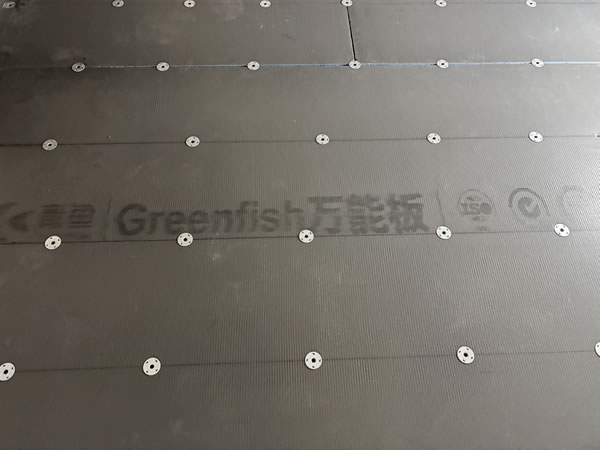
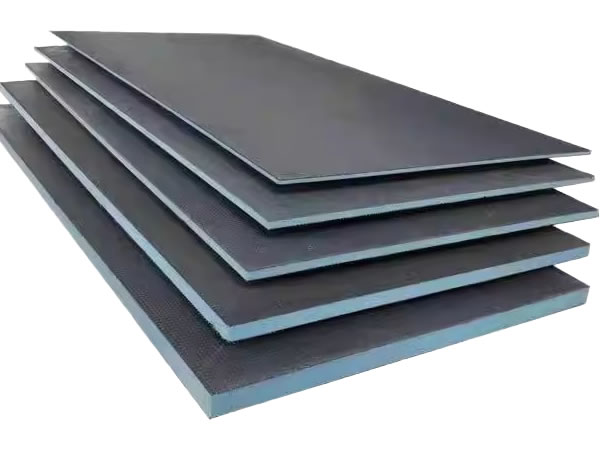
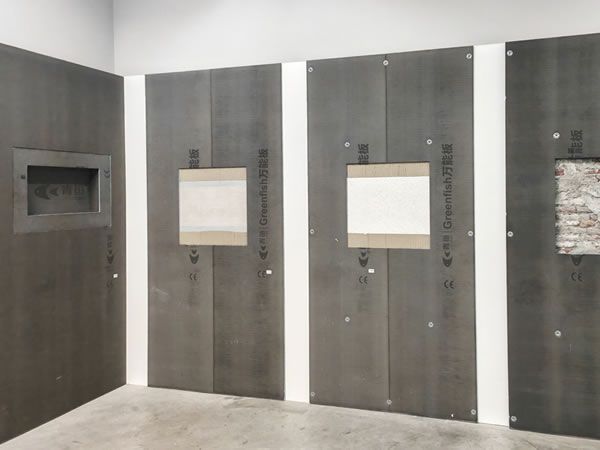
- How to ensure the quality of decoration with waterproof backing board
- Qingyu waterproof backing board is exported to the Middle East: technological empowerment and cultural adaptation drive a new paradigm of Chinese building materials overseas
- True crystal plate: the "new star" in the material world appears
- Qingyu HD-XPS: The "pressure-resistant and energy-saving double shield" of the cold storage floor solves the problem of low temperature and heavy load
- Going one step further than "better insulation": antibacterial real crystal panels, redefining energy saving and health
- The first step in building a self-built house is to choose Herring 10cm antibacterial real crystal board for base layer insulation, moisture proof and antibacterial
E-mail:greenfishcn@163.com
Phone:13370076925
TEL:0086-400-167-9158
Address:702, No. 285 Rongxing Road, Shanghai, China
What are the advantages and disadvantages of backer board
Backing panels play a crucial role in the field of architecture and decoration, especially in wet environments such as bathrooms, kitchens and basements. The main function of the backing plate is to prevent moisture penetration and protect the wall structure from water damage. However, any material is not perfect, and the backer board has its shortcomings. This article will analyze the advantages and disadvantages of backer boards in detail and discuss how to improve their use effect to better meet construction and decoration needs.
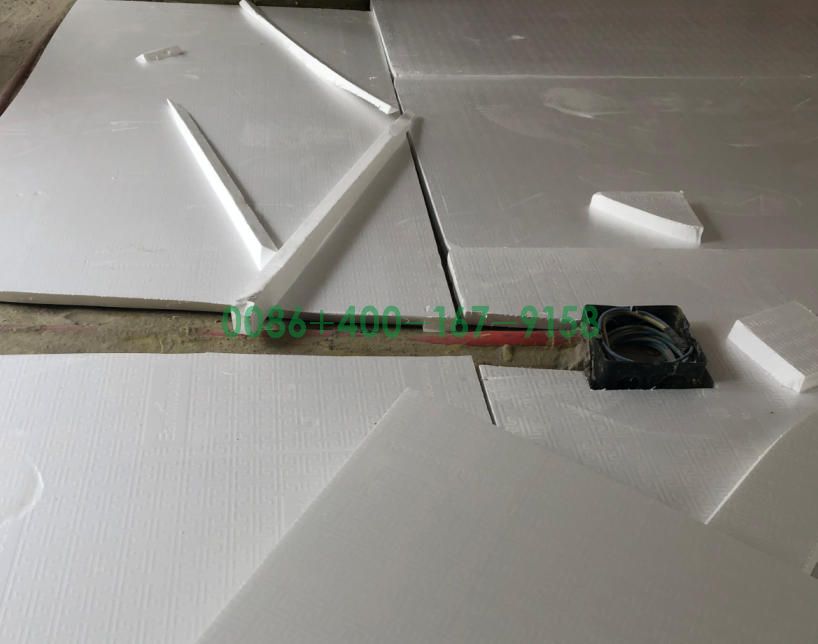
1. Advantages of backer board:
1. Good waterproof performance
This is the most prominent advantage of the backing plate. It can effectively block the penetration of moisture, prevent moisture from entering the inside of walls or other structures, protect the structural safety of the building, and reduce mold, corrosion and other problems caused by water leakage. It is widely used in humid environments such as bathrooms, kitchens, and basements. It can replace traditional waterproofing treatment methods and simplify the construction process.
2. Insulation and insulation function: backer boards usually have good insulation and insulation performance, which can reduce energy loss inside the building and reduce energy consumption. In winter, it can prevent indoor heat from being lost, and in summer, it can prevent external heat from entering the room, helping to maintain the stability of the indoor temperature and improve living and use comfort.
3. Strong anti-mold and antibacterial properties: Due to its good waterproof performance and its characteristics of not being easily damp, the backing plate can effectively inhibit the growth and reproduction of microorganisms such as molds and bacteria, and keep the indoor environment clean and hygienic. It is especially suitable for places with high hygiene requirements.
4. High stability: It has good mechanical properties and thermal stability, and is not easy to deform, crack or shrink. During long-term use, good flatness and dimensional stability can be maintained to ensure the firmness and reliability of the installation.
5. Simple and fast construction: the backing plate is lightweight and easy to carry and install. The installation process is relatively simple and does not require complex construction processes and technologies, which can greatly shorten the construction cycle and improve construction efficiency. For example, in the leveling process of walls or floors, you can directly use the backer board for laying, and then follow-up construction such as tiles are pasted on it.
6. Good machining: The backing plate can be cut, grooved, hole-punched and other processing operations according to actual needs, meeting different design and construction requirements, and has high flexibility and adaptability.
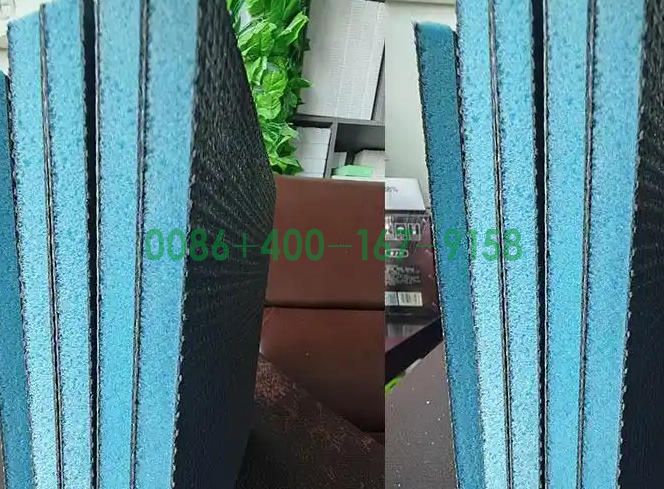
7. Good environmental protection: The blue fish backer board is made of environmentally friendly materials, complies with national environmental protection standards, and is harmless to human health and the environment. And in the production process, energy consumption is lower and waste is less, which is conducive to sustainable development.
2. Disadvantages of backer board:
1. High construction requirements
The installation process of the backing plate is relatively complicated and requires strict construction technology. From base layer treatment, bonding of backing plates, to sealing of joints, high precision is required for each link. If the base layer is not treated properly, if the surface is uneven or contaminants exist, it may lead to the unsolid bond between the backing plate and the base layer, resulting in hollowing or falling off. Improper seams may become a breakthrough for moisture penetration and affect the waterproofing effect. Therefore, construction personnel must have professional skills and experience to ensure the correct implementation of each link.
2. Material limitations
Although the backing plate has excellent waterproofing, its performance may be limited in some extreme environments. For example, some plastic backing plates may soften or deform at high temperatures, affecting their physical strength and waterproofing. In chemical environments such as strong acids and strong alkalis, although the backing plate can withstand common chemical substances, it may still lead to performance deterioration when exposed to specific chemical substances for a long time.
3. High transportation and storage requirements
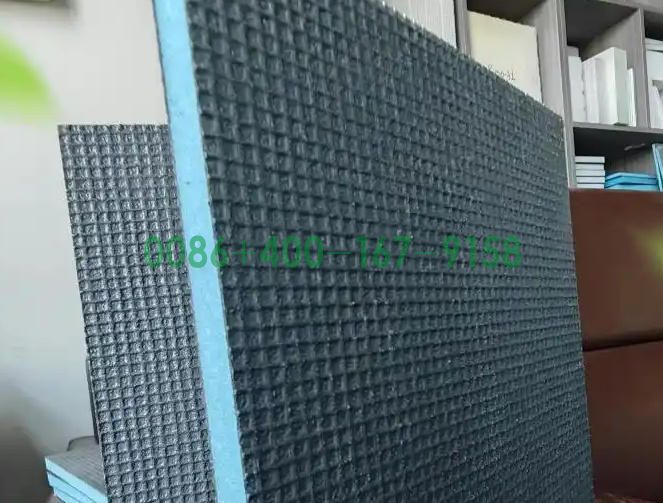
Backing plates are usually large in size and need to be avoided during transportation and storage. During transportation, make sure to use appropriate tools and methods to prevent the backing plate from being bumped or squeezed. During the storage process, the backing plate should be placed in a dry, ventilated, and avoid direct sunlight, and stacked flat to prevent it from deforming due to improper stacking.
4. Limited color selection
Compared with some decorative materials, the color choice of the backing plate is relatively single. Although its surface is flat and smooth and can match most decoration styles, it may not meet some project requirements for personalization and specific colors in terms of color diversity.
5. Not applicable to all building structures
backer board is suitable for flat and stable building structures. For some construction parts with uneven surfaces or cracks, special treatment is required first. For some historical buildings or buildings that use special construction techniques, the backing plate may not be directly used, and more suitable waterproof materials need to be selected according to the specific circumstances.
3. Effectively use the backing plate:
1. Strict construction standards
Base layer treatment: Before construction, ensure that the base layer is clean and smooth, and the surface is free of oil, dust and other pollutants. If the base layer is uneven, cement mortar can be used for leveling. The wet base layer needs to wait until it is completely dry before construction.
Adhesion and fixation: High-quality adhesive suitable for backer board material should be selected, and the operation should be carried out strictly in accordance with the instructions for use to ensure that the adhesive is evenly applied and cover the back of the backer board. During the installation process, use a level to ensure the flatness of the board and reinforce it with screws or expansion nails to ensure stability.
Seam treatment: Use high-quality sealant to fill the seams to ensure that the seams are tight and flat to avoid moisture penetration.
2. Reasonable selection of materials
Environmental adaptability: In high temperature or strong acid and alkali environments, high temperature and chemical corrosion-resistant backer board materials should be selected, such as modified PVC, PP or special HDPE materials to ensure that the waterproof performance is not affected.
Thickness selection: Choose the appropriate backing plate thickness according to actual needs. Generally, you can choose backer boards with a thickness of 2mm for home decoration. In basements, roofs and other places where waterproofing is required, it is recommended to use backer boards with a thickness of 3mm or more.
3. Regular maintenance and inspection
Regular inspection: Check the surface condition of the backing plate regularly to see if there are cracks, damage or aging, and whether the joints are well sealed. Can be inspected every six months or annually.
Cleaning and protection: Keep the surface of the backing plate clean, remove dust and stains regularly, and avoid debris accumulation affecting drainage and breathable functions. In harsh environments, additional waterproof coatings can be applied or protective films can be used to improve its waterproofness and durability.
4. Used in combination with other waterproof materials
In areas with high waterproofing requirements, such as basements, swimming pools, etc., backing plates can be used in combination with other waterproof materials to form multiple waterproof barriers. For example, lay waterproof rolls or apply waterproof coatings on the backing plate. This ensures that even if one layer of waterproofing problems occur, other waterproofing layers can still maintain waterproofing.
5. Professional training and guidance
Provide professional training for construction personnel to help them master the characteristics, construction requirements and correct use of backing plates. Technical personnel are arranged on-site for guidance and supervision to ensure that the construction quality meets the standards. Owners or non-professionals can also improve their decoration skills and material use ability by consulting experts or participating in training.
The backer board has advantages and disadvantages and is a waterproof material with excellent performance. Although there are some shortcomings, through strict construction specifications, reasonable selection of materials, regular inspection and maintenance, combined use with other waterproof materials, and professional training, its advantages can be effectively utilized and its shortcomings can be overcome. Correct use of backing panels in buildings and decoration can meet different waterproofing needs, extend the service life of the building, and provide comfortable, safe and dry space for living and working environments.
- Previous:No time
- Next:How much does a backer board cost?