- How to ensure the quality of decoration with waterproof backing board
- Qingyu waterproof backing board is exported to the Middle East: technological empowerment and cultural adaptation drive a new paradigm of Chinese building materials overseas
- True crystal plate: the "new star" in the material world appears
- Qingyu HD-XPS: The "pressure-resistant and energy-saving double shield" of the cold storage floor solves the problem of low temperature and heavy load
- Going one step further than "better insulation": antibacterial real crystal panels, redefining energy saving and health
- The first step in building a self-built house is to choose Herring 10cm antibacterial real crystal board for base layer insulation, moisture proof and antibacterial
E-mail:greenfishcn@163.com
Phone:13370076925
TEL:0086-400-167-9158
Address:702, No. 285 Rongxing Road, Shanghai, China
What is the difference between cement board and backer board?
What is the difference between cement board and backer board? Cement board and backer board are widely used in the fields of construction and decoration, but there are some differences in material characteristics, application scenarios and performance performance. There are also some significant differences in the installation methods of cement board and backer board.
1. Material properties
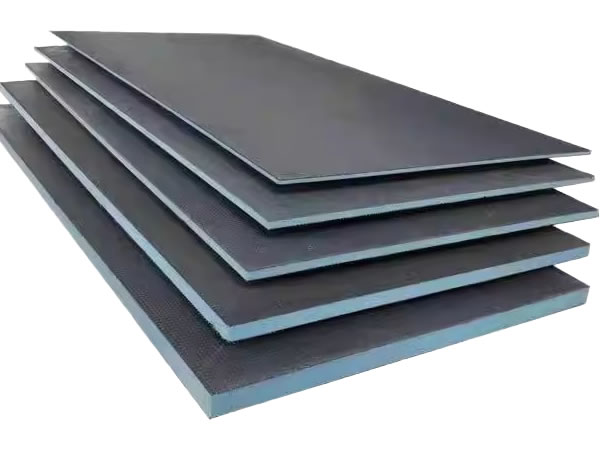
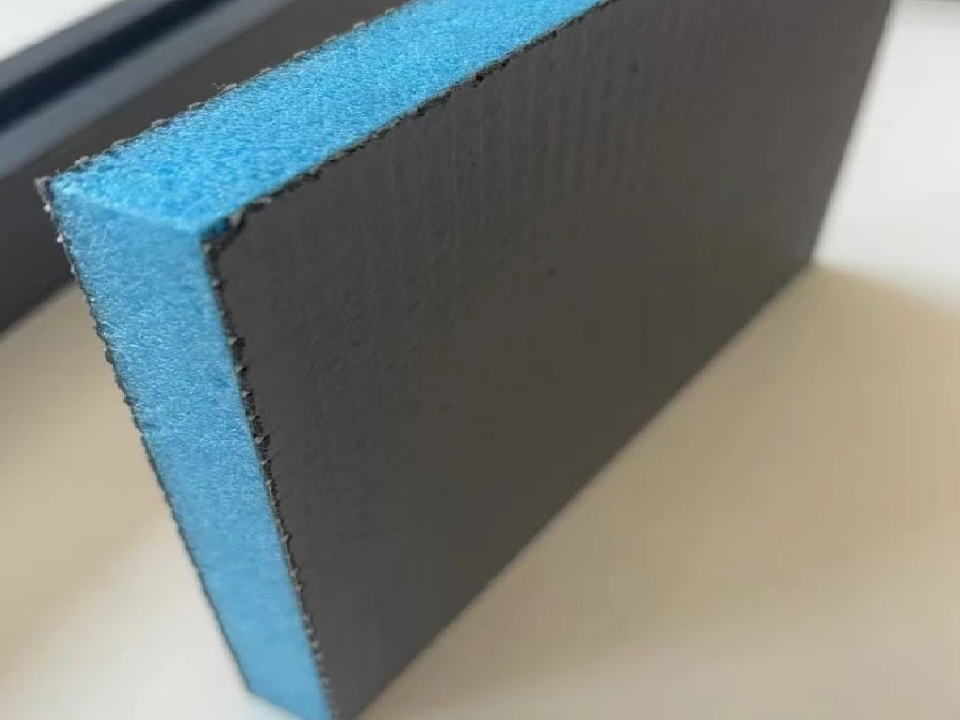
Backing plates are usually made of polymer materials, with excellent moisture resistance and mildew resistance, and can be used for a long time in humid environments, while also having corrosion resistance and thermal stability.
Cement boards are made of cement as the main raw material, with fireproof insulation, waterproof and moisture-proof, and long life. They have relatively brittle physical properties and special attention should be paid to protection during processing and construction.
2. Application scenarios
Because of its moisture-proof and mildew-proof properties, backer boards are often used in walls and floors in humid environments such as bathrooms and kitchens, as well as parts that need heat insulation.
Because of its fire resistance and durability, cement boards are suitable for indoor and outdoor decoration, partitions, suspended ceilings and other occasions, especially places where high strength and fire protection requirements are required.
3. Performance
The backer board focuses on waterproofing and thermal insulation properties, and is suitable for thin layer construction, such as thin tiles and equal walls and floors, and is easy to cut and install, improving construction efficiency.
Cement board emphasizes its structural strength and durability, and is suitable for occasions where load and impact resistance are required, such as loft slabs, exterior wall insulation boards, etc., and has a high density and weight.
4. Installation environment requirements
backer board: The wall is usually required to be flat, clean and sturdy so that the backer board can be directly pasted or fixed.
Cement board: Before installation, the base layer needs to be cleaned to ensure that the surface is flat and free of dust and dirt. At the same time, it is lifted straight and square, and vertical and horizontal lines are popped up.
5. Installation method
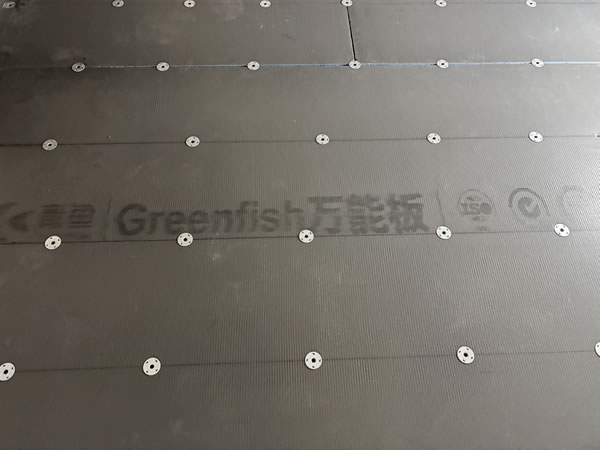
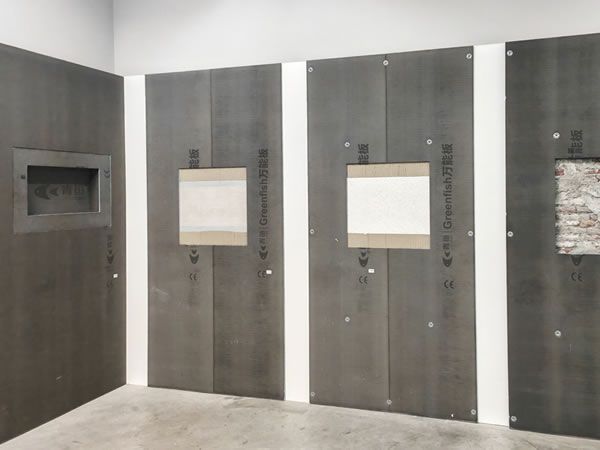
Backing plate: When installing, the backing plate is usually fixed with a ready-mixed mortar and ash cake, and then the eye is beaten with an electric hammer, and the backing plate is locked with stainless steel claw gaskets and anchors. Use self-adhesive mesh cloth and waterproof and strong glue to fill the joints to ensure waterproof effect.
Cement board: There are various installation methods, including expansion bolt fixing, hook fixing, wire rope fixing, chemical anchor fixing, adhesive fixing and mechanical fixing, etc. Which method to choose needs to be comprehensively considered according to the actual situation.
6. Construction steps
backer board: The installation steps are relatively simple, mainly including determining the thickness of the finish surface, fixing the water outlet position, cutting the sheet material, installing the backer board, checking the horizontality, locking the backer board, and caulking treatment.
Cement board: The installation steps are relatively complicated, including preparing tools and materials, checking the board, marking fixing points, punching holes, fixing expansion bolts, adjusting positions, connecting lifting equipment, etc.
7. Things to note
backer board: During the installation process, you need to pay attention to the flatness of the board, the waterproofing at the joints, and the firmness of the fixing with the wall.
Cement board: During the installation process, you need to pay attention to the flatness of the board, the verticality and firmness of the keel, the treatment of the plate joints, and the cleaning and protection of the surface layer.
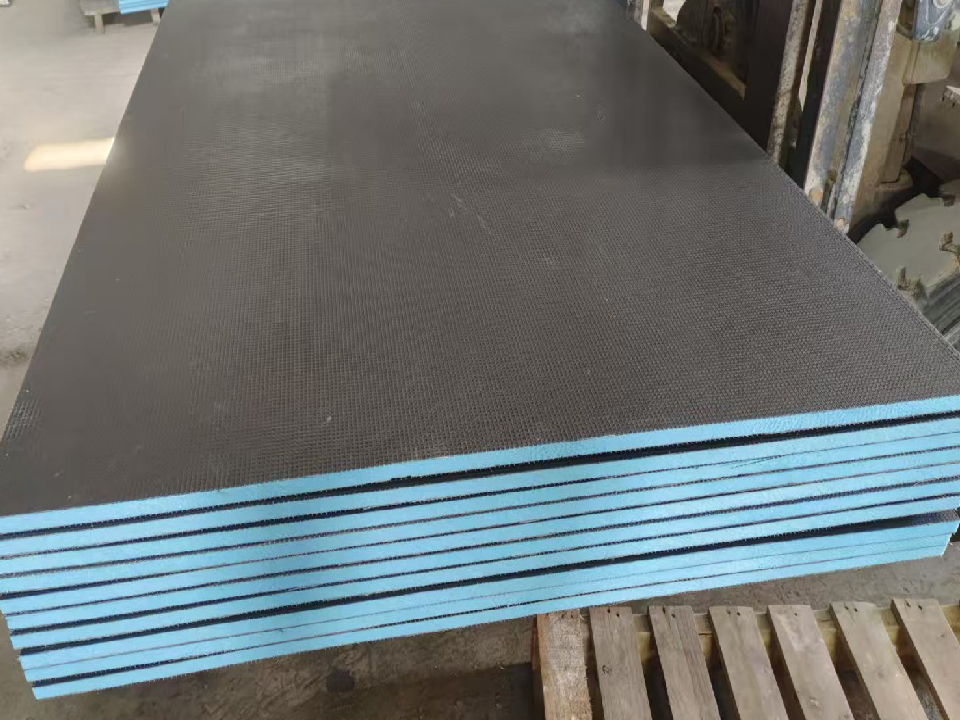
In general, the installation of backer boards pays more attention to waterproofing performance and construction efficiency, while the installation of cement boards pays more attention to structural stability and durability. The differences in installation methods of the two are mainly reflected in the requirements for the environment, the selection of installation methods, the complexity of construction steps, and the precautions during the installation process. backer board and cement board have their own advantages, and the choice should be determined based on the specific application requirements and performance requirements.
- Previous:What is a backer board? What are the functions of the backer board?
- Next:What material is backer board? How to control the cost of backer board material?