- How to ensure the quality of decoration with waterproof backing board
- Qingyu waterproof backing board is exported to the Middle East: technological empowerment and cultural adaptation drive a new paradigm of Chinese building materials overseas
- True crystal plate: the "new star" in the material world appears
- Qingyu HD-XPS: The "pressure-resistant and energy-saving double shield" of the cold storage floor solves the problem of low temperature and heavy load
- Going one step further than "better insulation": antibacterial real crystal panels, redefining energy saving and health
- The first step in building a self-built house is to choose Herring 10cm antibacterial real crystal board for base layer insulation, moisture proof and antibacterial
E-mail:greenfishcn@163.com
Phone:13370076925
TEL:0086-400-167-9158
Address:702, No. 285 Rongxing Road, Shanghai, China
Commercial Underfloor Heating: How To Install For Industrial Sectors
Is your commercial property as energy-efficient and comfortable as it could be? Explore the transformative benefits of radiant floor heating in commercial, industrial sectors.
Underfloor heating does not just apply for domestic homes; they can be used for office heating and other environments too. In this article, we will learn about commercial underfloor heating, and why you should opt for this over traditional heating methods. Don’t let your factory, coworking office space, or warehouse become cold for the workers in the winter months – choose underfloor heating today to keep them warm and efficient.
Why Choose Commercial Underfloor Heating?
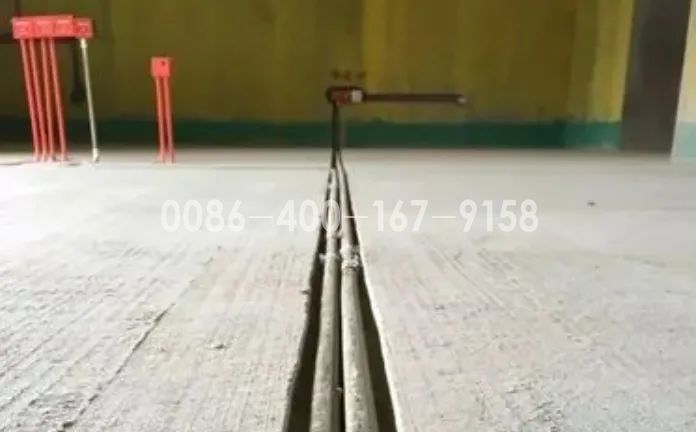
When it comes to commercial real estate investments, the focus should be on maximising returns with minimal costs. After all, what is considered an industrial property in the UK? Commercial underfloor heating is undeniably an economically viable solution for both new builds and existing properties.
Unlike traditional HVAC systems, which can be costly to operate and maintain, radiant floor heating offers a more budget-friendly alternative. Its installation beneath the floor maximises space, and with fewer mechanical parts, maintenance costs are significantly reduced.
Considerations for Commercial Underfloor Heating Systems
commercial underfloor heating
Commercial buildings often have unique architectural elements that can complicate traditional heating solutions.
Factors like large delivery doors that remain open, varying ceiling heights, glass-filled atrium rooms, and expansive open areas without walls present significant challenges in heat retention and distribution.
Commercial underfloor heating addresses these issues effectively, offering a solution that provides consistent warmth even in spaces with complex layouts and large open areas.
1. Comfort and Cleanliness for Tenants
Providing a comfortable environment is great for withholding tenant satisfaction, which directly influences occupancy rates and, ultimately, investment returns.
Commercial underfloor heating excels in delivering a consistent and gentle warmth, eliminating the cold spots and drafts associated with forced-air systems.
Moreover, it operates quietly and prevents the circulation of heat dust, asthma, and other central heating allergy symptoms, promoting a healthier indoor environment.
2. Adapting to Architectural Demands
Modern commercial buildings often feature design elements such as high ceilings and large windows that can challenge traditional heating systems. Electric radiant floor heating addresses these challenges by maintaining a balanced temperature across several large spaces, even those exposed to the outdoors or with high air infiltration, making it an efficient choice for contemporary commercial building designs.
3. Innovations in Heating Technology
Recent technological advancements have significantly reshaped how underfloor heating can be used in different building structures. Our underfloor heating systems are not only more affordable but also boast better efficiency and flexibility in installation, such as our low profile retrofit underfloor heating systems.
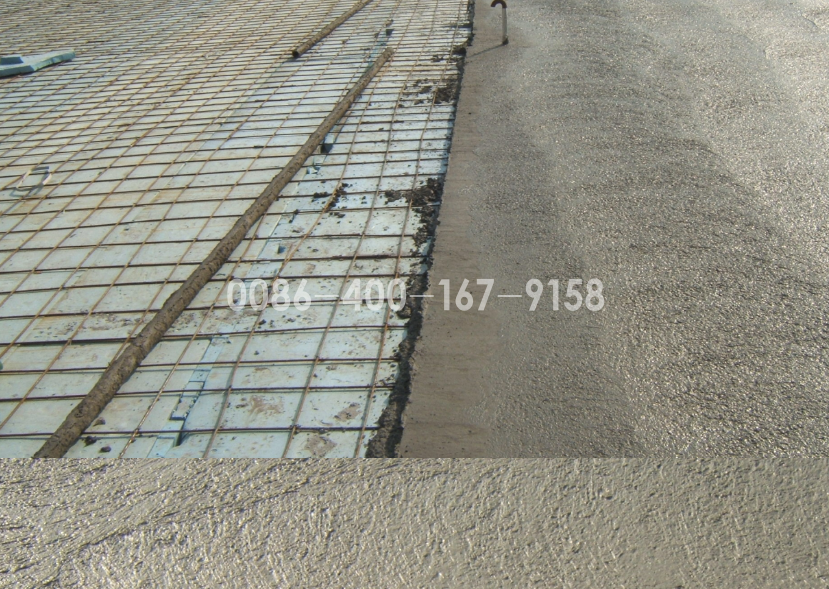
Whether you are integrating into concrete floors for industrial applications or retrofitting into an office, underfloor heating can be used to meet specific needs without disrupting the aesthetic or functional requirements of a space.
4. Tackling Heat Loss
commercial underfloor heating heat loss
Windows, while essential for natural light and aesthetics, are a major culprit in heat loss within commercial (and even domestic) environments. Traditional buildings with standard 2×4 framing have walls with an R-value of 13-15, but windows often have an R-value as low as 2.
Commercial underfloor heating systems can maintain a steady, consistent temperature from the ground up, ensuring that heat is not lost through poorly insulated areas and making up for the heat transfer typical of large window installations.
5. Addressing Insulation in Ceilings
New commercial construction environments in 2025 need to conform to current insulation standards for ceilings. This usually ranges between R-38 and R-39. However, older buildings often fall short of these standards, leading to significant heat loss.
By implementing commercial underfloor heating, buildings can compensate for inadequate ceiling insul
- Previous:Can You Repair Underfloor Heating? 5 Essential Tips
- Next:Common Bathroom Underfloor Heating FAQs Answered