- How to ensure the quality of decoration with waterproof backing board
- Qingyu waterproof backing board is exported to the Middle East: technological empowerment and cultural adaptation drive a new paradigm of Chinese building materials overseas
- True crystal plate: the "new star" in the material world appears
- Qingyu HD-XPS: The "pressure-resistant and energy-saving double shield" of the cold storage floor solves the problem of low temperature and heavy load
- Going one step further than "better insulation": antibacterial real crystal panels, redefining energy saving and health
- The first step in building a self-built house is to choose Herring 10cm antibacterial real crystal board for base layer insulation, moisture proof and antibacterial
E-mail:greenfishcn@163.com
Phone:13370076925
TEL:0086-400-167-9158
Address:702, No. 285 Rongxing Road, Shanghai, China
How to Install Cement or Backer Board to a Bathroom Floor
How to Install Cement or Backer Board to a Bathroom Floor? We need to answer these three questions: Can backer board replace traditional waterproofing materials in the bathroom? Where in the bathroom is backer board suitable? How is backer board used in the bathroom?
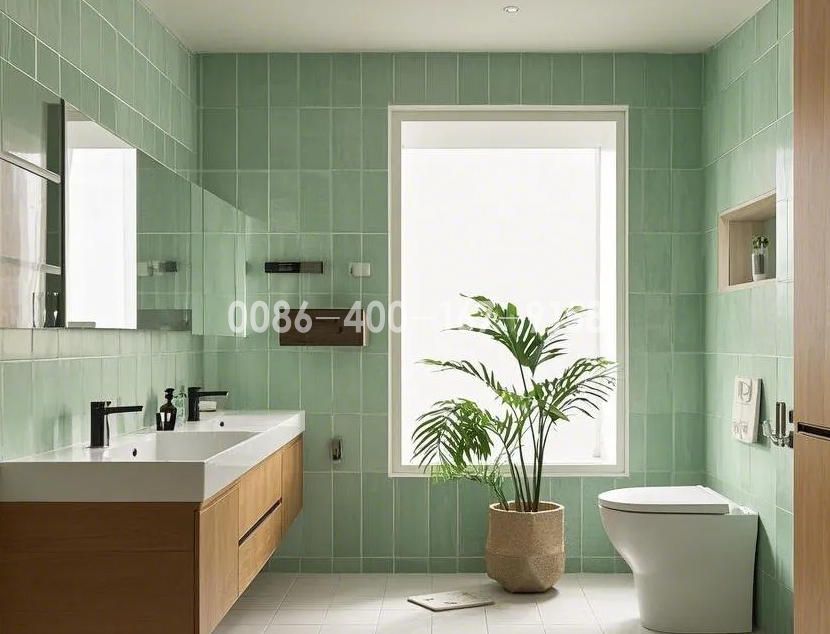
1. Can backer board replace traditional waterproofing materials in the bathroom?
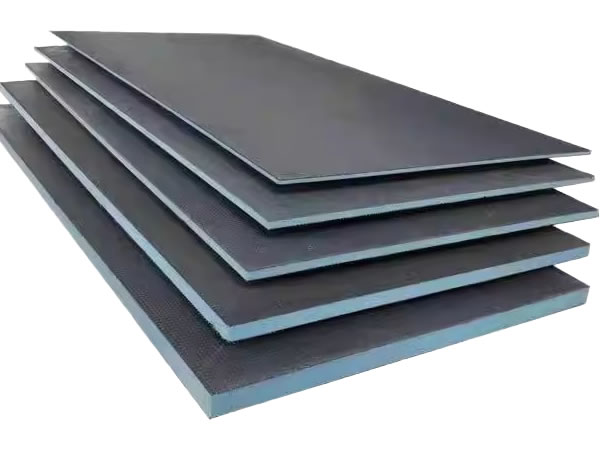
Backer board can replace traditional waterproofing materials in the bathroom and offers several distinct advantages.
Waterproof Performance: Backer board offers excellent waterproofing properties, effectively preventing water penetration and protecting bathroom walls and floors from water erosion.
Easy Installation: Compared to traditional waterproofing materials, backer board installation is simpler and faster, saving construction time and costs.
Durability: Backer board generally has excellent water resistance, impermeability, and durability, making it suitable for humid environments like bathrooms and maintaining its waterproofing effectiveness over time.
Adaptability: Backer board can adapt to various environments and construction conditions, providing stable waterproofing performance, especially at complex joints and connections. Insulation: In addition to being waterproof, backer board also provides some insulation, helping to improve the energy efficiency of the bathroom.
Easy Maintenance: Because backer board has a smooth surface, it's relatively easy to repair or replace if damaged.
2. Where to Use backer board in the Bathroom
Because bathrooms are subject to high moisture exposure, using backer board is crucial to ensure the waterproofing of the entire system. The following are some suitable areas for backer board:
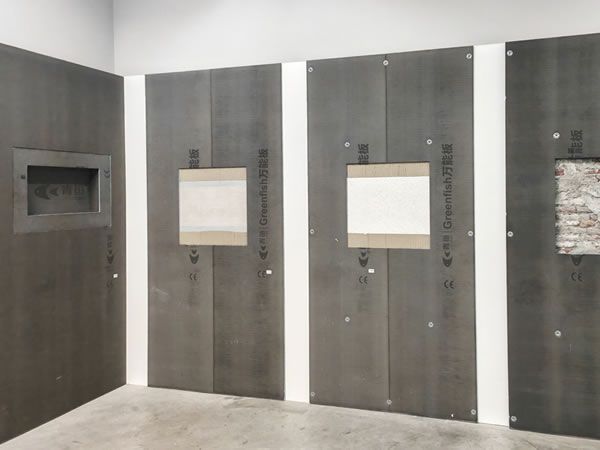
Walls: Installing backer board on bathroom walls effectively prevents moisture from penetrating the wall structure, protecting the building's integrity and maintaining a dry indoor environment.
Floor: Installing backer board on bathroom floors reduces moisture penetration, enhances the floor's bearing capacity, and prevents deformation of the flooring material due to moisture.
Ceiling: Although bathroom ceilings typically don't come into direct contact with water, given the high humidity levels in bathrooms, using backer board can enhance the ceiling's waterproofing and help improve indoor thermal insulation.
Shower Area: The shower area is the most exposed to moisture in the bathroom, so it's particularly important to use backer board on the walls and floors. This effectively prevents moisture penetration and reduces erosion of surrounding structures.
Bathtubs and sinks: These areas also require backer board to prevent moisture penetration and protect the underlying structure and floor.
Pipes and Vents: In the bathroom, backer board is also required around pipes and vents to ensure a tight and waterproof seal.
3. How is backer board Used in the Bathroom?
Using backer board in the bathroom is a systematic process involving multiple steps, including wall preparation, backer board installation, waterproofing, and finishing. The following is a detailed process:
Wall Preparation:
Ensure the wall surface is flat and free of cracks. Uneven walls require leveling.
Determine the installation height and finished thickness of the backer board, typically using a laser wall leveler.
Backer Board Installation:
Cut and fit the backer board according to the wall dimensions and the location of the spout and base box.
Use premixed mortar to mark points on the wall to serve as anchor points for the backer board.
Install the backer board and check for verticality with a straightedge.
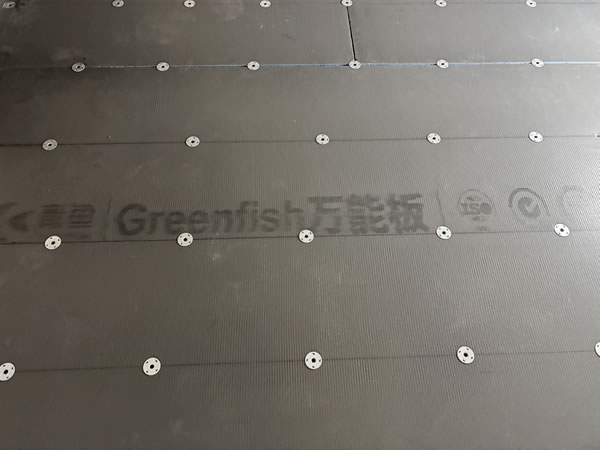
Drill holes with an electric hammer at the mortar patch and secure the backer board with stainless steel claw washers and anchors.
Waterproofing:
Use self-adhesive mesh and P8 waterproof superglue to seal the backer board joints.
Fill the gaps at the top of the backer board with premixed mortar.
At the transition between the wall and floor, and around the drain, apply mortar and apply small rolls of waterproof bag for sealing.
Finishing:
Use waterproof sealants to seal the door and window frames, or other areas where they connect to the wall in the bathroom.
Special areas, such as bathroom niches, may require the fabrication and installation of backer board.
When using backer board, you should also pay attention to the following points:
Ensure the backer board's quality and specifications meet the requirements. High-density backer board is generally preferred.
Before installation, thoroughly moisten the wall surface to ensure a secure fit.
After the backer board is installed, perform a 24-hour water-tightness test to verify its waterproofing effectiveness.
For plumbing and electrical lines in the bathroom, pre-embed them before installing the backer board, and drill holes in the backer board to ensure proper installation.
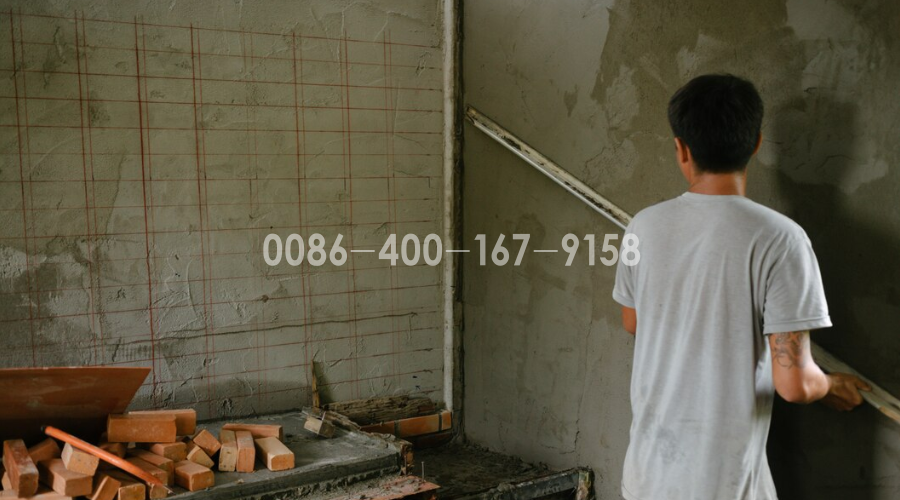
In summary, backer board is an effective alternative to traditional waterproofing materials, particularly suitable for waterproofing applications in humid environments such as bathrooms. However, the specific waterproofing material you choose depends on the bathroom's actual conditions, design requirements, and budget. When selecting backer board, factors such as its waterproof performance, fire resistance, strength and stability, thermal insulation performance, and environmental protection should be considered to ensure that it meets the comprehensive requirements of the project. At the same time, during the installation process, it should be ensured that the backer board is closely attached to the wall or floor to improve the waterproof effect.