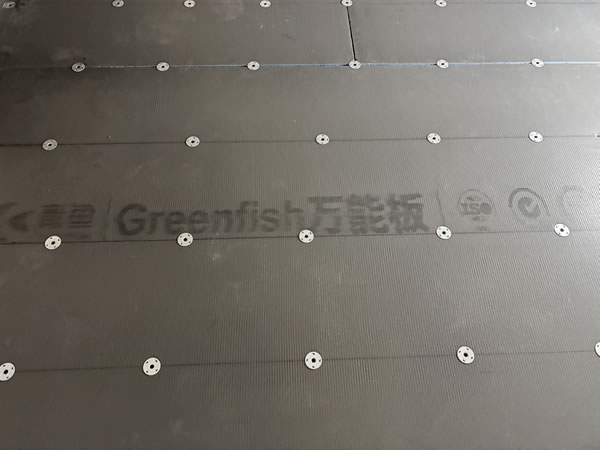
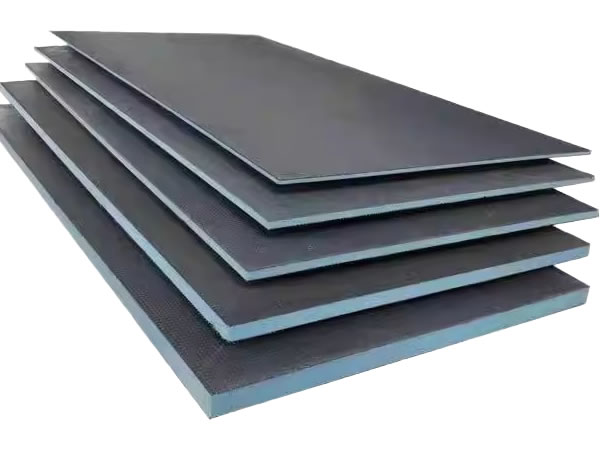
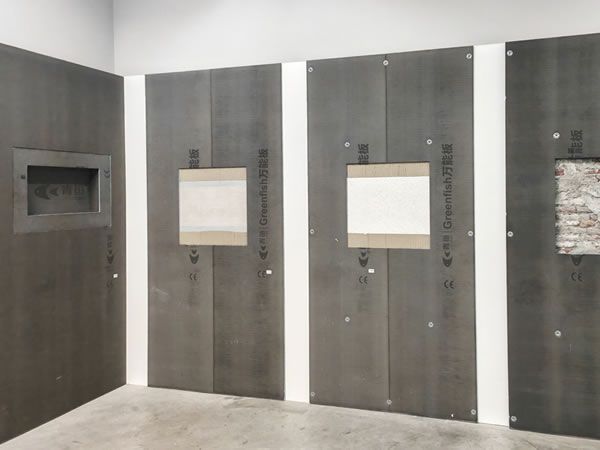
- How to ensure the quality of decoration with waterproof backing board
- Qingyu waterproof backing board is exported to the Middle East: technological empowerment and cultural adaptation drive a new paradigm of Chinese building materials overseas
- True crystal plate: the "new star" in the material world appears
- Qingyu HD-XPS: The "pressure-resistant and energy-saving double shield" of the cold storage floor solves the problem of low temperature and heavy load
- Going one step further than "better insulation": antibacterial real crystal panels, redefining energy saving and health
- The first step in building a self-built house is to choose Herring 10cm antibacterial real crystal board for base layer insulation, moisture proof and antibacterial
E-mail:greenfishcn@163.com
Phone:13370076925
TEL:0086-400-167-9158
Address:702, No. 285 Rongxing Road, Shanghai, China
What is backer board used for? What are the uses of backer boards?
What are the backer boards used for? What are the uses for backer boards? backer boards are a very practical building material, mainly serving as waterproof and reinforcement. They are usually installed behind walls or floor tiles, especially in areas with easy contact with water such as kitchens and bathrooms, to prevent moisture from penetrating into the interior of the wall, thereby protecting the wall structure and reducing the risk of mold and damage.
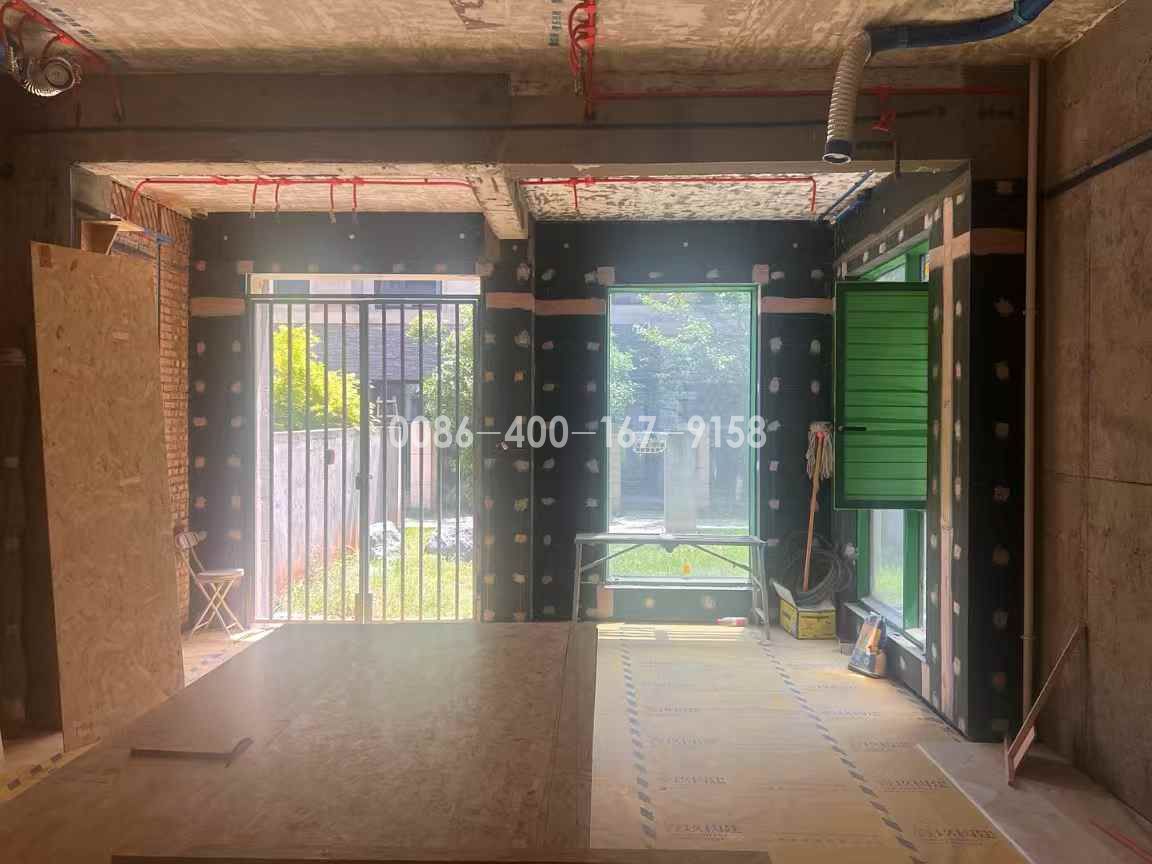
1. Backing plate has many uses, mainly including:
Waterproof and moisture-proof: It can effectively prevent moisture from penetration, protect the walls and floor from moisture, and is suitable for areas that are prone to moisture such as bathrooms, bathrooms, basements, etc.
Heat insulation: It has good insulation performance, can effectively reduce heat loss, is suitable for exterior wall insulation systems, and improves energy efficiency.
Sound insulation and noise reduction: It has a certain sound insulation effect, which can reduce noise propagation and improve the comfort of living or working environment.
Base leveling: It can provide a flat base layer for easy subsequent construction, such as thin tiles, etc.
Lightweight and flexible: lightweight, easy to cut and install, suitable for a variety of complex construction environments.
Green and environmentally friendly: It uses environmentally friendly materials, which is harmless to the human body and meets the requirements of modern green buildings.
Decoupling and crack resistance: It can reduce coupling between structural layers, improve crack resistance and extend structural life.
Compatible and stable: compatible with a variety of materials, can be stably combined with existing structures and improve overall performance.
2. Main types and materials of backer boards
backer boards can be divided into many types according to their material and structure, and the common ones are as follows:
Cement base material: made of cement, additives, etc., has good adhesion and can firmly adhere to the surface of the base layer.
Fiber-reinforced cement board: Adding fiber to the cement improves the flexural strength and other properties of the board.
Plastic materials: such as polyethylene (PE), polyvinyl chloride (PVC), etc., have good waterproofing and corrosion resistance.
Rubber material: such as ethylene propylene rubber, etc., with good elasticity and significant waterproofing effect.
Composite materials: made of a combination of multiple materials and have the advantages of different materials, such as waterproofing, high strength, etc.
Calcium silicate board: stable performance, fireproof, waterproof and impact-resistant, especially suitable for humid environments.
Honeycomb board: durable and sturdy, smooth and resistant to aging, high temperature, impact, moisture and corrosion.
Multi-layer composite structure: The intermediate layer uses high compressive and high-strength materials, and the surface is covered with waterproof and wear-resistant coatings, and has excellent comprehensive performance.
3. Application scenarios of backer board
Because of its excellent waterproofing performance and reinforcement, the backing plate is widely used in various building parts that require waterproofing, such as:
Flat roof: Installed under the waterproof layer to provide stable support for the waterproof layer and prevent the roof waterproof layer from being damaged by pressure caused by personnel walking and equipment installation.
Slope roof: Installing backing plates under tile or metal roofing materials can not only be waterproof but also enhance the roof's wind resistance.
Basement walls and floors: able to withstand the pressure of groundwater and prevent groundwater from seeping into the basement through concrete capillaries or tiny cracks.
Underground passages and pipe corridors: prevent the leakage of groundwater and water accumulation on the surface, and protect internal cables, pipelines and other facilities from water erosion.
Bathroom and kitchen: Used for waterproofing of walls and floors to prevent moisture from penetrating into adjacent rooms.
Bathroom and laundry: Provides waterproof barriers for walls and floors to ensure water does not penetrate into the building structure.
Water storage facilities such as pools and tanks: As lining materials, ensure that water does not leak out.
4. Features and advantages of backer board
Excellent waterproofing performance: It can effectively prevent moisture penetration and protect walls or other structures from water erosion.
Strong durability: It has high strength and stability, and can be used for a long time without being easily damaged.
Easy to install: can be cut and installed as needed, and the construction process is relatively simple.
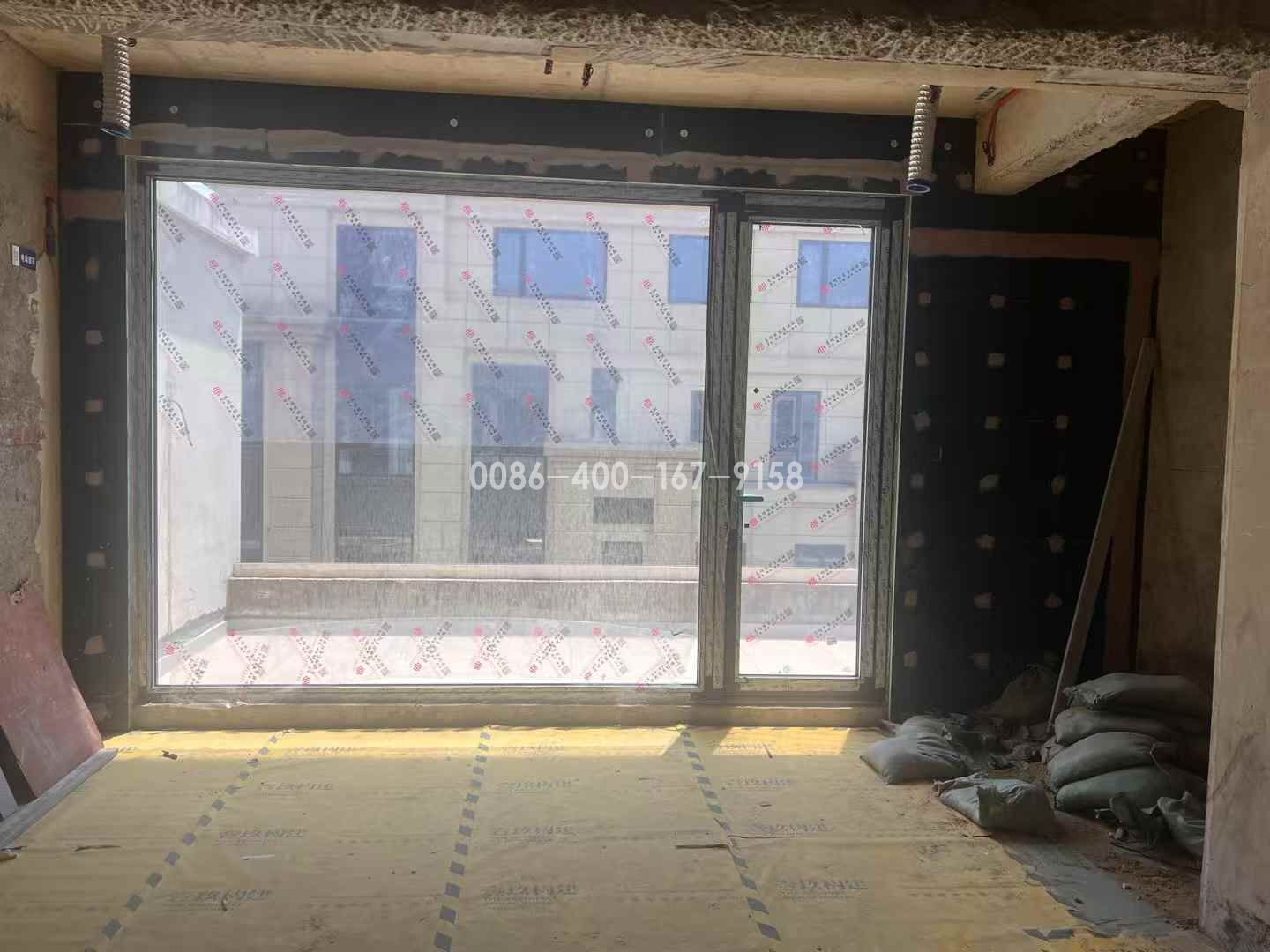
In short, the backer board is a very practical building material. With its excellent waterproofing and reinforcement, it is widely used in interior decoration and construction projects. It can significantly improve the waterproof, thermal insulation, sound insulation and other properties of buildings. It is also convenient for construction. It is an ideal building material and provides strong guarantees for people's living and working environment.