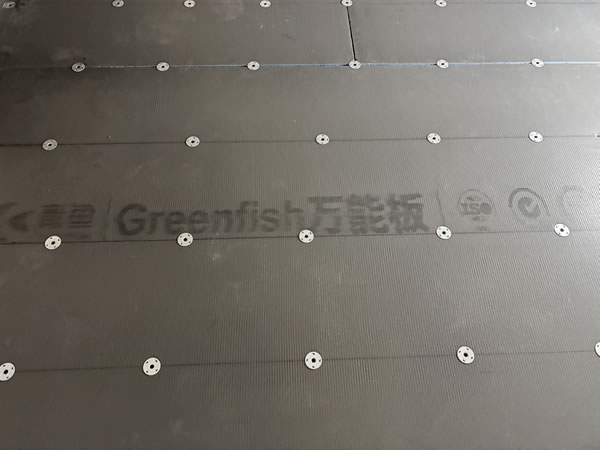
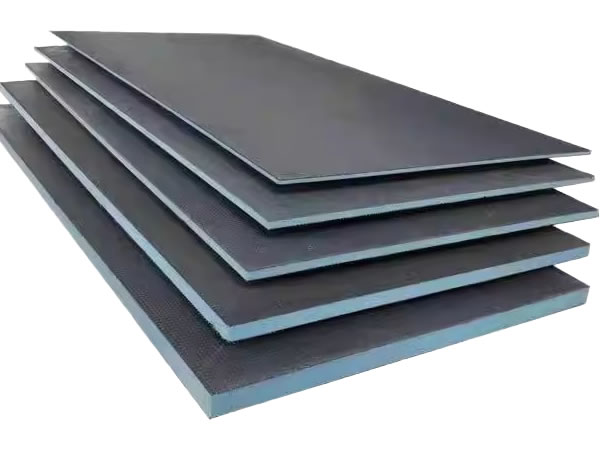
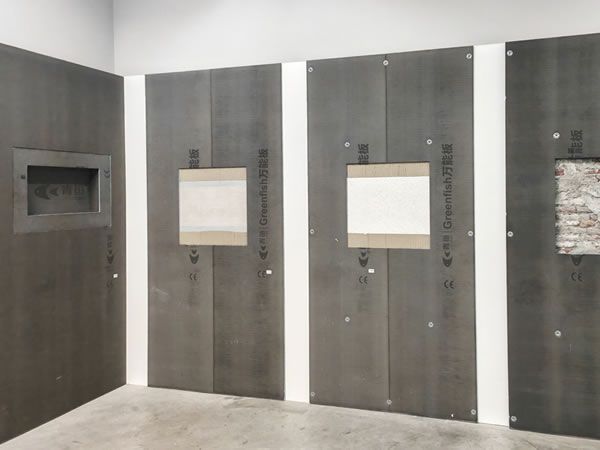
- How to ensure the quality of decoration with waterproof backing board
- Qingyu waterproof backing board is exported to the Middle East: technological empowerment and cultural adaptation drive a new paradigm of Chinese building materials overseas
- True crystal plate: the "new star" in the material world appears
- Qingyu HD-XPS: The "pressure-resistant and energy-saving double shield" of the cold storage floor solves the problem of low temperature and heavy load
- Going one step further than "better insulation": antibacterial real crystal panels, redefining energy saving and health
- The first step in building a self-built house is to choose Herring 10cm antibacterial real crystal board for base layer insulation, moisture proof and antibacterial
E-mail:greenfishcn@163.com
Phone:13370076925
TEL:0086-400-167-9158
Address:702, No. 285 Rongxing Road, Shanghai, China
What's the difference between cement board and backer board?
What's the difference between cement board and backer board? The main differences between backer boards and cement boards lie in their unique functionality and application scenarios. Here is a comparison of the differences between backer boards and cement boards:
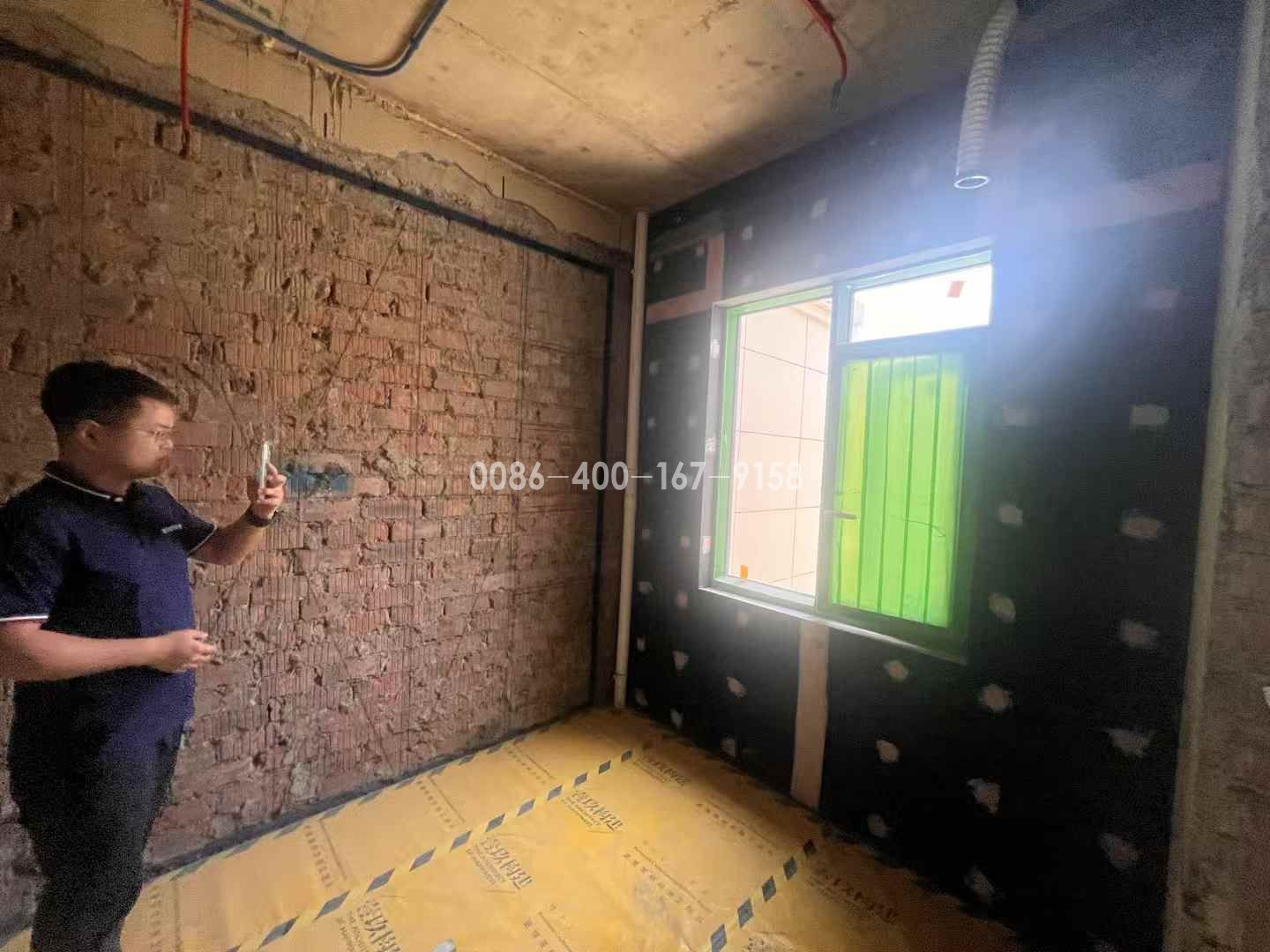
1. Functional Comparison
Backer board: It has the characteristics of moisture-proof, waterproof, mold-proof, corrosion-resistant, high stability, and good insulation and soundproofing. It is suitable for thin-tile laying in wet areas such as bathrooms, as well as for pipe wrapping in bathroom drainage systems.
Cement board: It mainly includes sound insulation felt and sound insulation boards, etc. Their main function is to block the transmission of sound and reduce noise interference. Sound insulation felt is lightweight, ultra-thin, soft, has high tensile strength, is environmentally friendly, can inhibit the transmission of medium and low-frequency sound waves, and has excellent fire resistance performance. Sound insulation boards require a high density and weight to effectively block the transmission of sound.
2. Waterproof Performance
Backsheet: Usually has excellent waterproofing properties, effectively preventing water from seeping in and protecting the building from moisture damage.
Cement board: It has excellent water resistance and can maintain its impermeability under the action of pressurized water.
3. Construction Convenience
Backer board: Easy to cut and install, which can enhance construction efficiency.
Cement board: It is inconvenient to install and the construction period is long.
4. Adaptability and Stability
Backsheet: It has strong adaptability to the base layer, and possesses excellent dimensional stability and durability.
Cement board: It has good stability against temperature changes. It does not flow, bubble or slide even at high temperatures, and does not crack at low temperatures.
5. Application Scenarios
Back panel: Primarily used in bathrooms, bathtubs, shower areas and other damp environments, as well as in places that require insulation and soundproofing.
Cement board: Primarily used in building walls, roofs, as well as in tunnels, highways, landfill sites, etc., it serves to prevent the infiltration of external rainwater and groundwater. It can also be widely applied in places requiring sound insulation, such as KTVs, offices, home theaters, etc., as well as for sound insulation and damping vibration of machinery and pipelines.
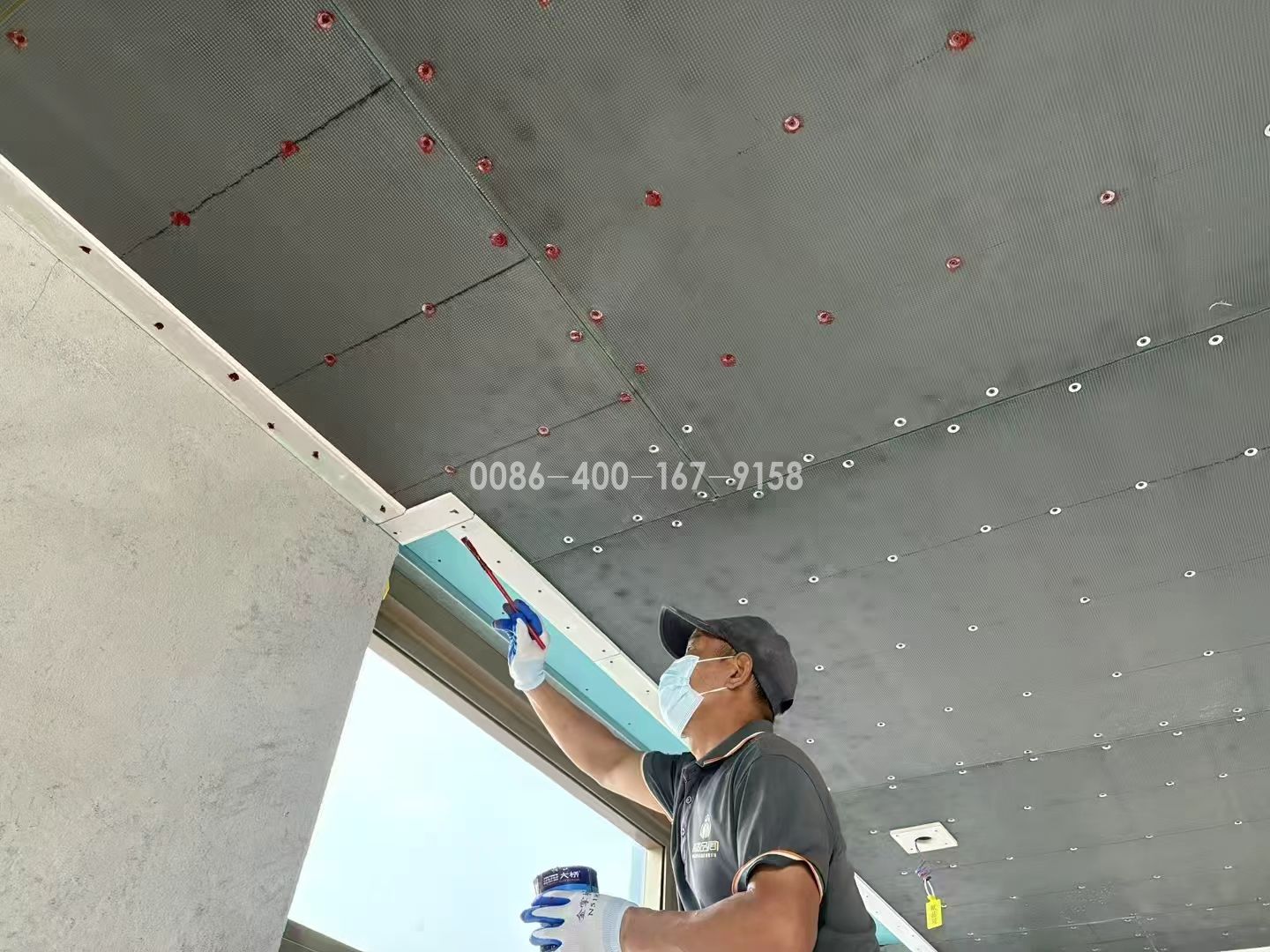
In conclusion, the backer board can replace the cement board in certain aspects, especially in scenarios that require versatility and ease of construction. The backer board has its unique advantages in terms of water resistance, temperature stability, and specific engineering applications. The choice of material depends on the specific application requirements, environmental conditions, and construction requirements. In some cases, the two can be combined to achieve the best waterproofing effect.
- Previous:What are the two types of backer board?
- Next:How to correctly lay and install backer boards?