- How to ensure the quality of decoration with waterproof backing board
- Qingyu waterproof backing board is exported to the Middle East: technological empowerment and cultural adaptation drive a new paradigm of Chinese building materials overseas
- True crystal plate: the "new star" in the material world appears
- Qingyu HD-XPS: The "pressure-resistant and energy-saving double shield" of the cold storage floor solves the problem of low temperature and heavy load
- Going one step further than "better insulation": antibacterial real crystal panels, redefining energy saving and health
- The first step in building a self-built house is to choose Herring 10cm antibacterial real crystal board for base layer insulation, moisture proof and antibacterial
E-mail:greenfishcn@163.com
Phone:13370076925
TEL:0086-400-167-9158
Address:702, No. 285 Rongxing Road, Shanghai, China
How to Choose Backer board thickness
How to choose Backer board thickness? We can choose a Backer board thickness based on our budget.
Understand price trends: Generally speaking, thicker Backer boards cost more.
Set a budget: First, clearly define your budget, such as the maximum price per square meter you can accept.
Balance performance and price: Within your budget, try to choose a board thickness that meets your performance requirements. For example, if the board is used in a wet area like a bathroom, waterproofing is crucial. In this case, consider more than just price; ensure the Backer board has good water resistance and low water absorption.
Consider long-term benefits: Sometimes, a slightly more expensive Backer board may offer better value in the long run if it performs better, has better quality, and lasts longer.
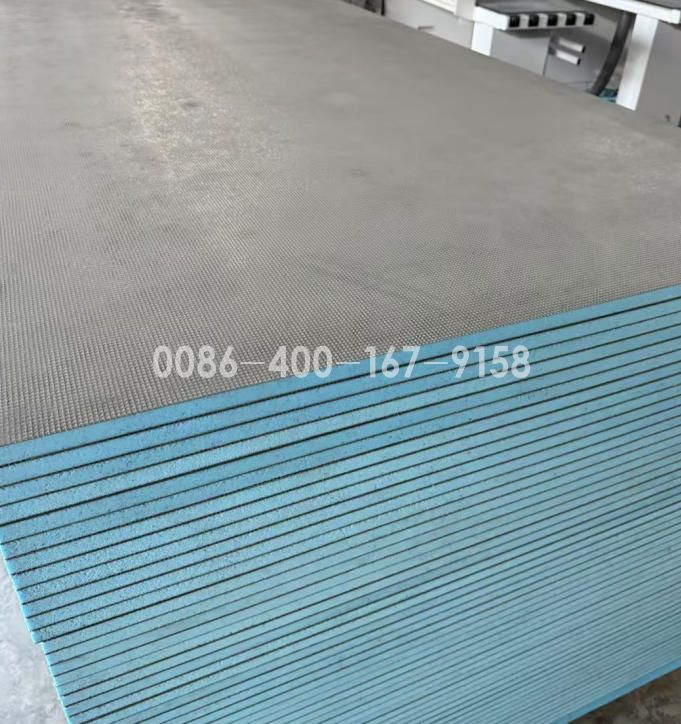
When choosing Backer board, determining its thickness based on the installation scenario is crucial. Here are some recommendations:
1. Indoor ceilings
For standard indoor ceilings: If height is limited and insulation requirements are low, a thinner Backer board, such as 0.95 cm or 1 cm, can be selected. This thickness is lightweight and easy to install, while also meeting basic waterproofing requirements. It is suitable for attic insulation or simple insulated basement ceilings. For ceilings with unique shapes or that require weight, such as those requiring lighting or audio equipment, a Backer board thickness of 1.2 cm or greater is recommended to ensure strength and stability.
2. Partition walls
For partition walls: Backer board requires a certain thickness to ensure wall strength and sound insulation. Generally, a 2 cm thick Backer board is commonly used, meeting basic partition requirements without adding excessive weight or space.
3. Pipe Wrapping
Pipe wrapping: Choose the appropriate Backer board thickness based on the pipe size and location. Generally, a 2cm thick board is sufficient for pipe wrapping and provides good waterproofing and protection.
4. Exterior Walls and Roofs
Exterior walls: For outdoor spaces like exterior terraces, multiple factors must be considered, including thermal insulation, water resistance, and wind resistance. A 5cm thick Backer board provides excellent insulation and waterproofing. Roofs: Thicker boards are also required to ensure durability and waterproofing. The specific thickness can be determined based on factors such as the roof structure and climatic conditions.
5. Special Scenarios
For confined spaces such as small bathrooms and narrow corridors, a thinner Backer board should be selected to avoid excessive space occupation and a constricting effect. For larger spaces such as large shopping malls and conference rooms, a slightly thicker Backer board can be selected based on actual needs for better thermal insulation, heat insulation, and soundproofing.
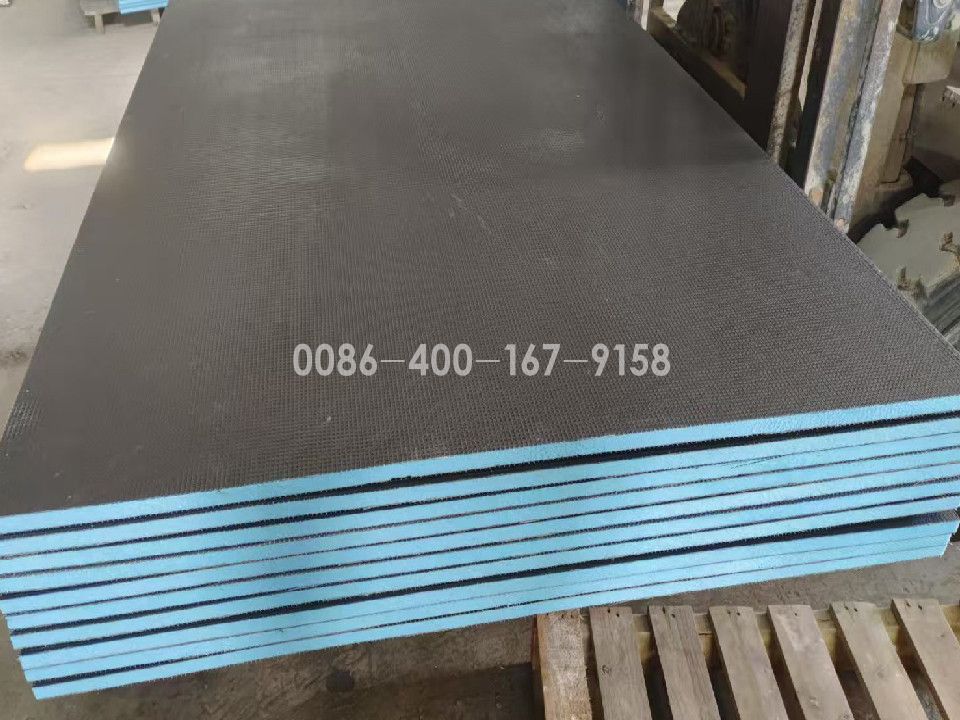
In summary, when choosing Backer board thickness, you should base it on the specific installation scenario and requirements. You should also consider factors like budget and installation difficulty to choose the most cost-effective product. This way, you can select a Backer board that meets both your budget and your needs.
- Previous:Do I need to reserve expansion joints for the leveling of ceramic tile backer boards?
- Next:What is foam Backer board? How do I choose Foam Backer board?