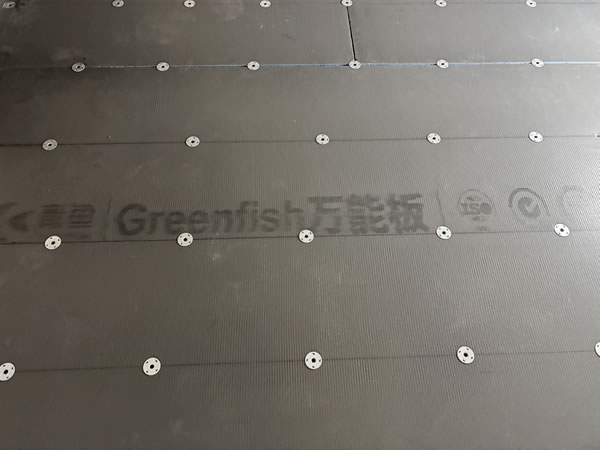
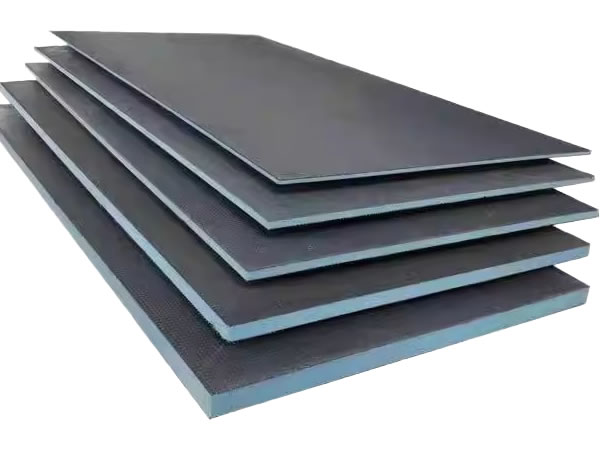
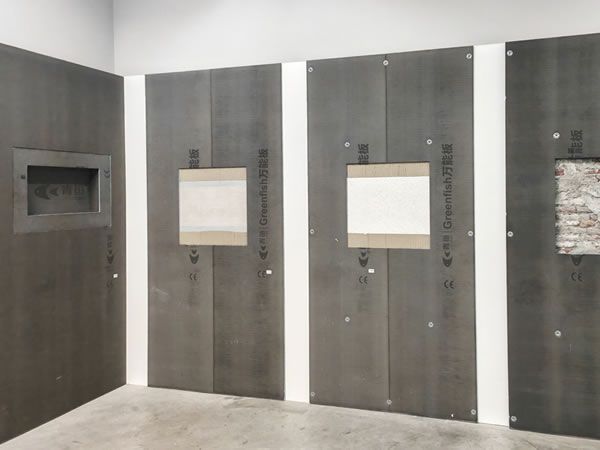
- How to ensure the quality of decoration with waterproof backing board
- Qingyu waterproof backing board is exported to the Middle East: technological empowerment and cultural adaptation drive a new paradigm of Chinese building materials overseas
- True crystal plate: the "new star" in the material world appears
- Qingyu HD-XPS: The "pressure-resistant and energy-saving double shield" of the cold storage floor solves the problem of low temperature and heavy load
- Going one step further than "better insulation": antibacterial real crystal panels, redefining energy saving and health
- The first step in building a self-built house is to choose Herring 10cm antibacterial real crystal board for base layer insulation, moisture proof and antibacterial
E-mail:greenfishcn@163.com
Phone:13370076925
TEL:0086-400-167-9158
Address:702, No. 285 Rongxing Road, Shanghai, China
What is foam Backer board? How do I choose Foam Backer board?
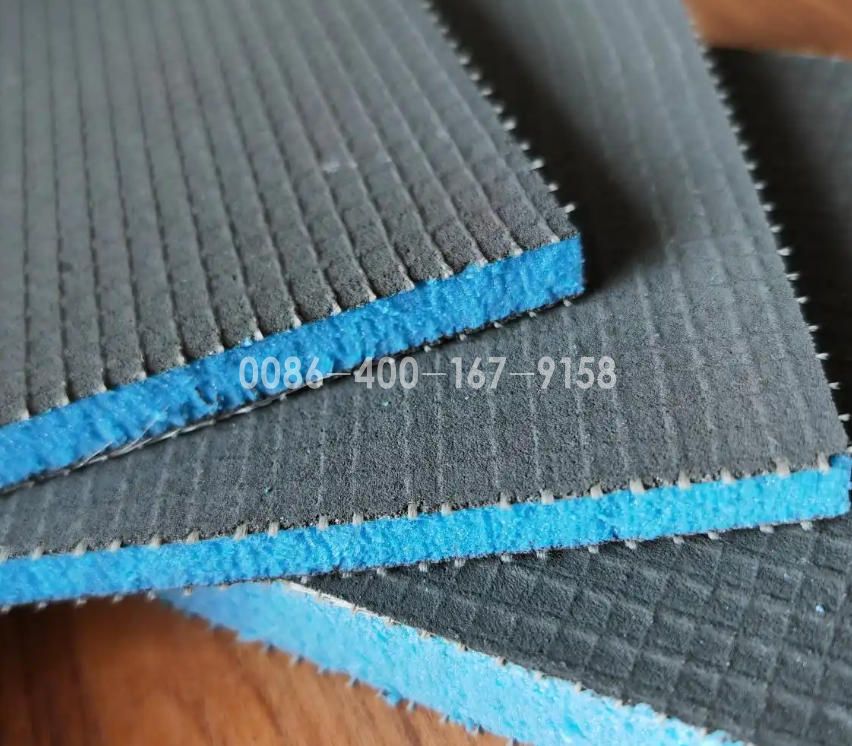
foam Backer board is a deformable material used in construction projects to control the embedment depth of sealing materials and prevent them from sticking to the bottom of joints. It primarily provides support and protection.
Material Types
Common materials include polyethylene, polystyrene (XPS), polyurethane, fiber cement, and calcium silicate. For example:
XPS: Low thermal conductivity (0.028-0.030 W/(m·K)), excellent insulation, and affordable.
Polyurethane: Even lower thermal conductivity (0.024-0.028 W/(m·K)), superior insulation, but at a higher cost.
Fiber cement/calcium silicate: High thermal conductivity (0.5-1.0 W/(m·K)), primarily used for waterproofing and structural support.
Application Scenarios
Mainly used in curtain wall systems, waterproofing projects, and building areas requiring thermal insulation. For example:
Curtain wall systems: Enhance structural stability while providing both waterproofing and thermal insulation.
Bathrooms/basements: Choose high-density XPS board or calcium silicate board for moisture and weather resistance.
Northern cold regions: XPS or polyurethane board are preferred for improved thermal insulation.
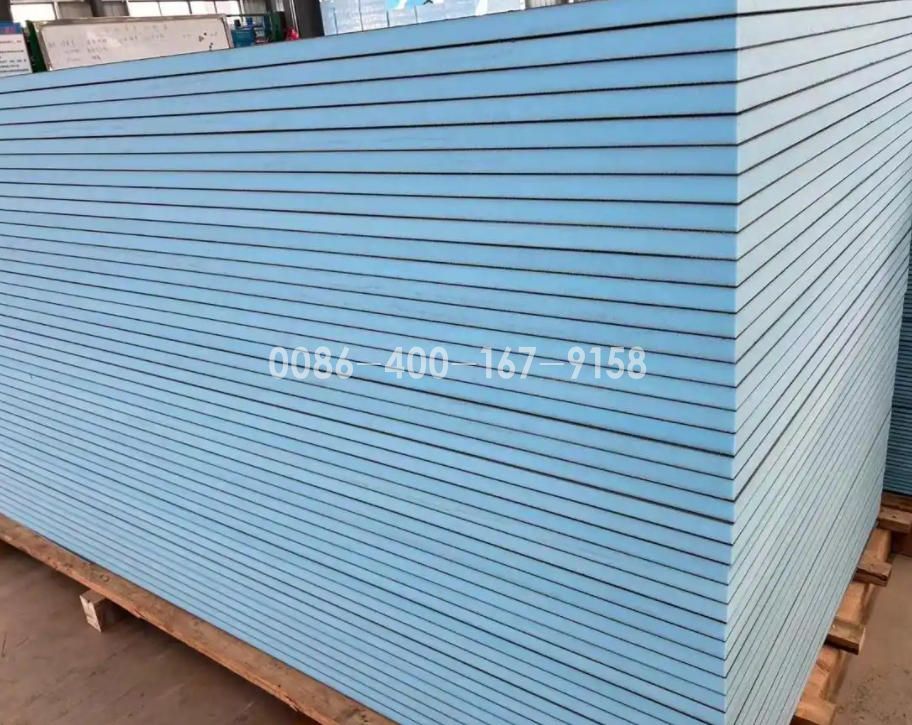
How to choose the right foam Backer board for a specific application? Choosing the right foam Backer board for a specific application requires considering multiple factors, including the application scenario, material properties, and environmental requirements. Below is a detailed purchasing guide:
1. Choose Based on the Application
Indoor Dry Areas
Applicable Applications: Living rooms, bedrooms, and other areas with low waterproofing requirements
Recommended Material: Ordinary Fiber Cement Board
Features: Low cost, meets basic moisture and deformation resistance requirements
Indoor Wet Areas
Applicable Applications: Bathrooms, kitchens, basements, and other locations with high humidity
Recommended Materials:
Calcium Silicate Board: Waterproof and impact-resistant
High-Density XPS Extruded Polystyrene Foam Board: Combines waterproofing and thermal insulation
Recommended Thickness: 2-3 cm
Outdoor Environments
Applicable Applications: Exterior walls, outdoor terraces, etc.
Recommended Materials:
High-Density XPS Board
Specially Treated Fiber Cement Board
Key Requirements: Weather resistance, waterproofing, and UV resistance
2. Material Performance Comparison
Material Type Thermal Conductivity (W/(m·K)) Key Features Applicable Applications
XPS Extruded Polystyrene 0.028-0.030: Excellent thermal insulation, moderate price. Suitable for indoor and outdoor environments requiring insulation.
Polyurethane 0.024-0.028: Excellent thermal insulation, but relatively high cost. Suitable for locations with high insulation requirements.
Fiber cement 0.5-1.0: High strength, average waterproofing. Mainly for structural support.
Calcium silicate 0.08-0.12: Good waterproofing, limited thermal insulation. Suitable for humid environments.
3. Key selection factors
Waterproof performance:
Check the product's test report or relevant certifications.
High-quality backer board should have low water absorption (≤1%).
A simple test can be performed: drip water on the board surface to observe water penetration.
Strength and stability:
Check compressive strength, flexural strength, and other indicators.
Test for easy deformation by pressing with your hand or using a heavy object.
Fire resistance:
Select fire resistance ratings B1 (flammability-resistant) and Above
Fiber cement and calcium silicate can achieve Class A1 (non-flammable)
Environmental Performance:
Choose non-toxic and odorless materials.
Check national environmental protection certifications and other certifications.
Specifications:
Thickness: 1-2 cm (normal areas), 2-3 cm (humid areas).
Common sizes: 600 × 1200 mm, 1200 × 2400 mm.
4. Construction and Maintenance Considerations
Construction Ease:
Choose backer boards that are easy to cut and install to improve construction efficiency.
Ensure the dimensional accuracy of the boards to facilitate splicing and reduce waste.
Maintenance Requirements:
Choose durable materials to reduce maintenance requirements during long-term use.
Consider the material's stain resistance and ease of cleaning, especially in areas prone to stains such as kitchens.
5. E-commerce Platform Product Reference
According to e-commerce platform data, common foam Backer board products include:
XPS extruded polystyrene foam board:
Price range: 55.6-228 yuan
Features: Thermal insulation, waterproof and moisture-proof
Applications: Roofs, walls, basements
Polyurethane foam board:
Higher price
Features: Excellent thermal insulation performance
Applications: Locations with extremely high thermal insulation requirements
foam Backer board is a deformable material used in construction projects to control the embedding depth of sealing materials and prevent adhesion to the bottom of joints. It primarily provides support and protection. When selecting foam Backer board, it is recommended to comprehensively consider price, performance parameters, and user reviews to select products with the best value. Shanghai Qingyu foam Backer board Purchasing Hotline: 86-400-167-9158
- Previous:How to Choose Backer board thickness
- Next:What is Fiber cement backer board? How is Fiber cement backer board cement made?