- How to ensure the quality of decoration with waterproof backing board
- Qingyu waterproof backing board is exported to the Middle East: technological empowerment and cultural adaptation drive a new paradigm of Chinese building materials overseas
- True crystal plate: the "new star" in the material world appears
- Qingyu HD-XPS: The "pressure-resistant and energy-saving double shield" of the cold storage floor solves the problem of low temperature and heavy load
- Going one step further than "better insulation": antibacterial real crystal panels, redefining energy saving and health
- The first step in building a self-built house is to choose Herring 10cm antibacterial real crystal board for base layer insulation, moisture proof and antibacterial
E-mail:greenfishcn@163.com
Phone:13370076925
TEL:0086-400-167-9158
Address:702, No. 285 Rongxing Road, Shanghai, China
What is Fiber cement backer board? How is Fiber cement backer board cement made?
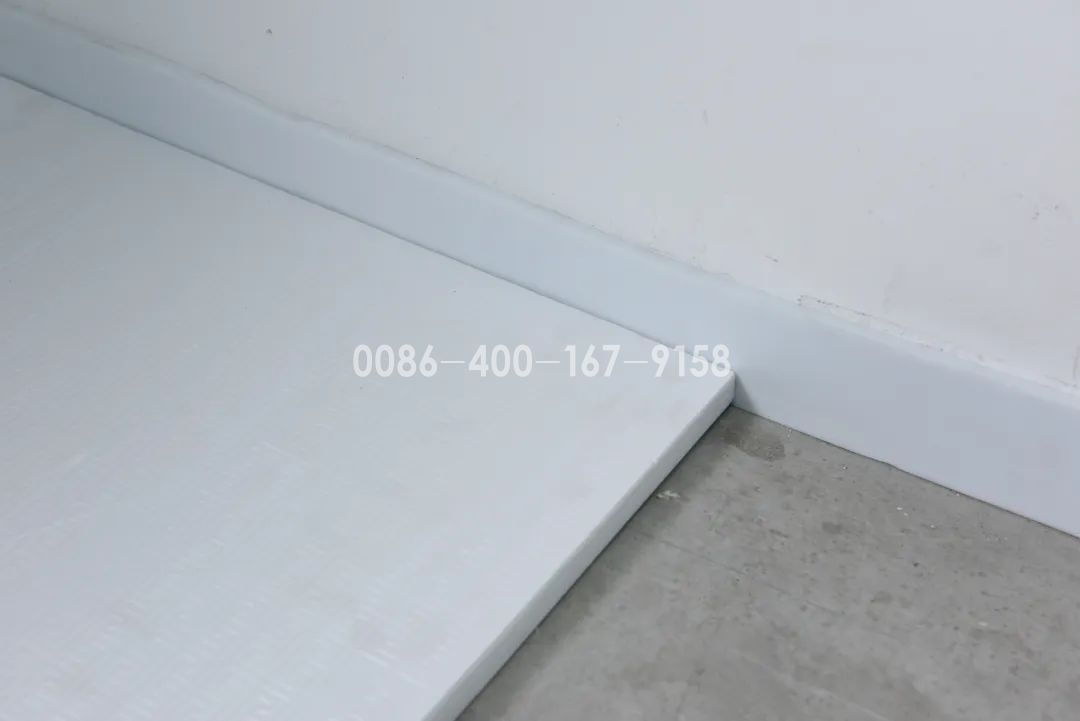
Fiber cement backer board is a new composite material composed of specialty cement, aggregate, and polymer additives. Its unique feature is that it combines the properties of backer board with the material advantages of cement. It not only offers excellent waterproofing, but also excellent wear, corrosion, and impact resistance. Its surface texture is delicate and its color is uniform, providing an excellent decorative effect for modern buildings.
1. Characteristics of Fiber cement backer board
Excellent Waterproofing: Fiber cement backer board offers excellent waterproofing, effectively preventing moisture penetration and preventing problems such as dampness and mildew on walls.
Wear and Corrosion Resistance: This material has excellent wear and corrosion resistance, making it suitable for a variety of complex environments.
Impact Resistance: Fiber cement backer board has high impact resistance and can withstand a certain degree of physical impact.
Excellent Decorative Effect: Fiber cement backer board offers a delicate surface texture and uniform color, providing an excellent decorative effect for buildings.
2. Applications of Fiber cement backer board
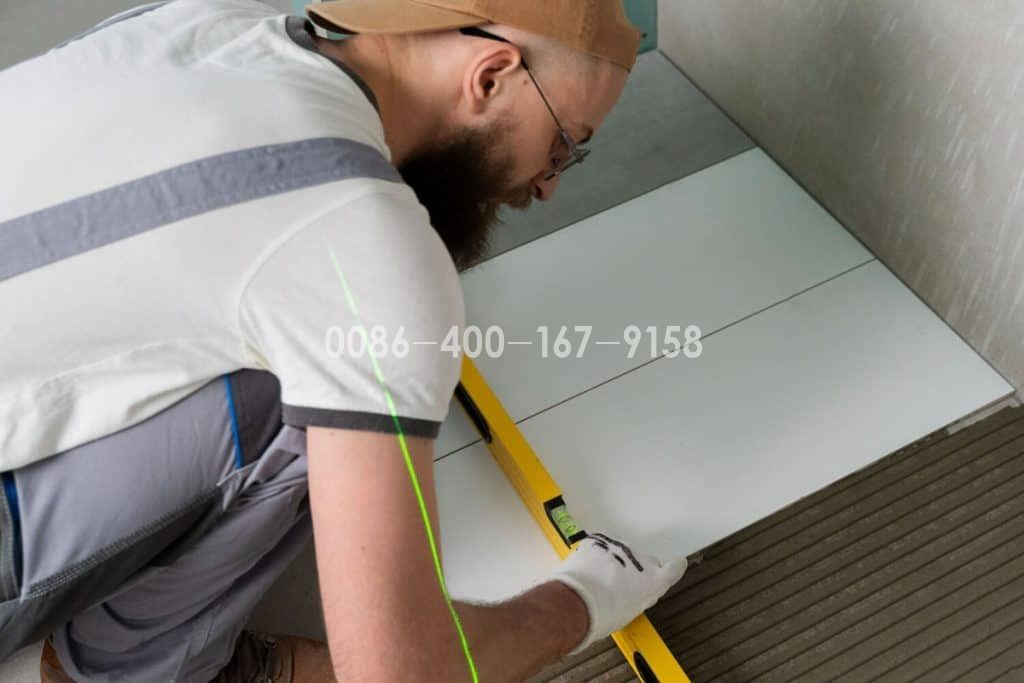
Fiber cement backer board is widely used for wall and floor finishing in humid environments, such as basements, bathrooms, and kitchens. Its easy application allows it to be combined with various materials (such as tile, stone, and glass) to create beautiful and practical decorative effects. It can also be used for exterior wall insulation and roof waterproofing.
3. Advantages of Fiber cement backer board
Compared to traditional building materials, Fiber cement backer board offers the following advantages:
Excellent waterproofing, effectively addressing the challenges of humid environments;
Excellent decorative effects, meeting the aesthetic needs of modern architecture;
Abrasion and corrosion resistance, suitable for a variety of complex environments;
Easy construction, reducing construction costs;
Eco-friendly and energy-saving, in line with the concept of sustainable development.
4. How to Make Cement for Fiber cement backer board
Preparation
Materials: Cement, aggregate (such as sand), additives, and water.
Tools: Mixing equipment, molds, scrapers, trowels, etc.
Production Steps
Mix Design: Determine the appropriate mix ratio based on specific needs. The ratio of cement, aggregate, and water is critical. Excessive water will loosen the cement structure and reduce its waterproofing performance.
Mixing: Mix the cement, aggregate, and additives according to the designed ratio. Ensure a uniform mixing process to avoid lumps.
Adding Waterproofing Agent: To improve waterproofing performance, add an appropriate amount of waterproofing agent. The type and amount of waterproofing agent should be determined based on the specific product and technical requirements.
Re-Mixing: After adding the waterproofing agent, stir again to ensure that the waterproofing agent is fully incorporated into the cement mixture.
Mold Preparation: Select an appropriate mold to ensure even distribution of the mixture.
Pouring: Pour the mixed cement mixture into the mold and smooth it with a scraper.
Compacting: Use a trowel to compact the surface to eliminate air bubbles and pores.
Curing: After production, certain curing steps are required. Generally, the appropriate temperature and humidity should be maintained to allow the cement to fully harden.
Precautions
Mix design is crucial. Ensure the correct ratio of cement, aggregate, and water to enhance waterproofing performance.
Ensure a smooth mixing process to avoid lumps.
The amount and type of waterproofing agent to be added should be determined based on the specific product and technical requirements.
Pay attention to safety during the production process to avoid injury.
It is recommended to conduct thorough testing and verification before actual operation to ensure the accuracy of the mix ratio and the feasibility of production. In the future, with technological advancements and increasing environmental protection requirements, the production technology of Fiber cement backer board will continue to be updated and optimized, contributing to a more efficient and environmentally friendly construction industry. As a new building material, Fiber cement backer board has been widely used in the construction industry for its excellent waterproofing properties, good decorative effects, and durability. With the continuous advancement of technology and the increasing demand for building material performance, the application prospects of Fiber cement backer board will be even broader.
- Previous:What is foam Backer board? How do I choose Foam Backer board?
- Next:What is backer board made of